
Hair loss can have many causes. At The Wright Practice, we assess the pattern of hair loss, your scalp and your wider health before recommending a personalised treatment plan. Our aim is to help you understand what is happening, which options may help and what results are realistic.
Pattern hair loss is the most common cause of gradual thinning. In men, it often affects the hairline and crown as genetically susceptible follicles become smaller under the influence of dihydrotestosterone (DHT). In women, it more often causes thinning over the central scalp and a widening parting. It can occur with normal hormone levels.
More sudden, widespread shedding may be telogen effluvium. This can follow illness, surgery, childbirth, significant stress, rapid weight loss or inadequate nutrition. Shedding may become noticeable several months after the trigger and can coexist with pattern hair loss.
Other contributors include iron deficiency, thyroid disease, some medicines and inflammatory scalp conditions. Menopause and PCOS may be relevant in selected patients, particularly where there are accompanying symptoms. Identifying a hormonal condition does not mean that hormone treatment will necessarily restore hair.

We discuss when the hair loss began, how it has changed, your family history, medicines, diet and any recent illness or weight change. Where relevant, we also review menstrual symptoms, menopause, pregnancy plans and other signs of hormonal change.
A scalp examination helps assess the distribution of thinning, hair breakage and any inflammation or scarring. Baseline photographs, taken with your consent, can make it easier to compare progress over time.

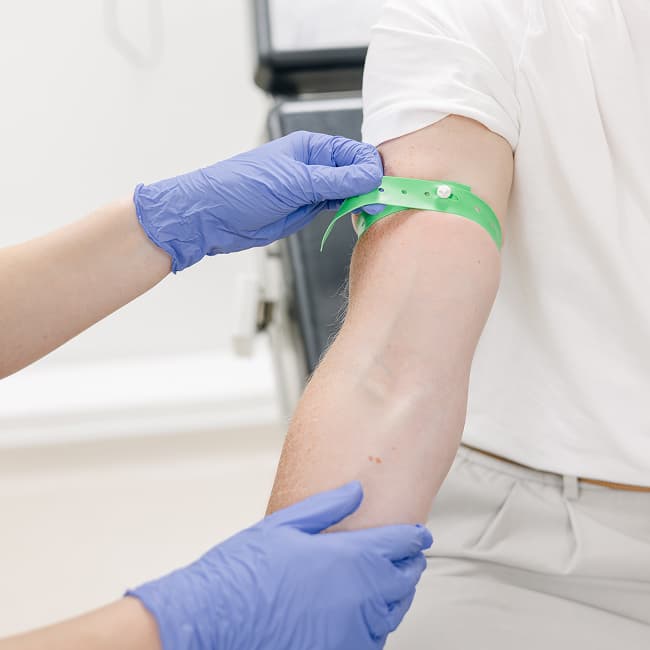
Not everyone needs blood tests. Testing is guided by your history and examination and may include a full blood count, ferritin and thyroid function. Vitamin or hormone tests may be appropriate where there is a specific clinical reason. Broad screening panels are not routinely necessary for straightforward pattern hair loss.
Where a deficiency or underlying medical condition is identified, addressing it forms part of the plan. Supplements are not routinely recommended when there is no evidence of deficiency.
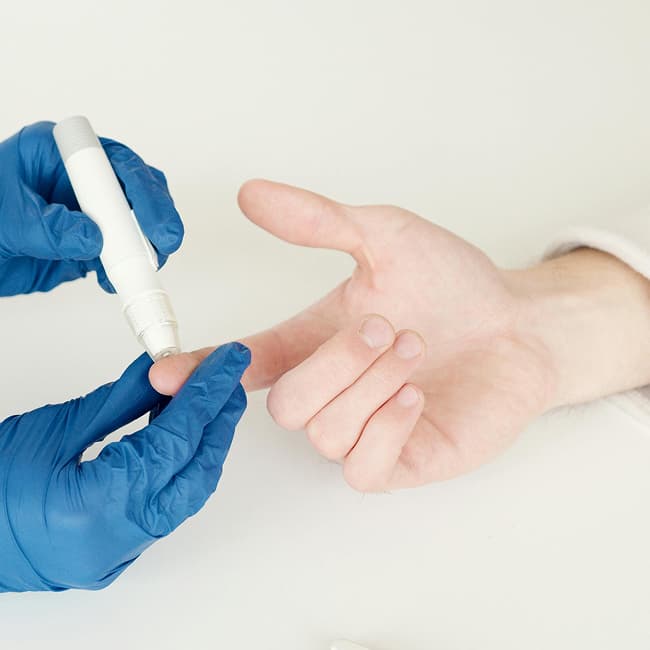
Treatment depends on the diagnosis, the extent of hair loss, your medical history and your preferences. For pattern hair loss, medication may help slow progression and improve density. Scalp treatments such as PRP or dutasteride mesotherapy may also form part of your plan, depending on your needs and preferences.
For shedding linked to illness, nutrition or another identifiable trigger, managing the underlying cause may be more useful than starting a procedure. Some patients prefer practical cosmetic options, such as hair fibres, styling changes or hair systems. Choosing not to pursue treatment is also a reasonable option.
Explore Medical Hair Loss Treatments for topical and oral medication options, or Advanced Hair Restoration Treatments for PRP, dutasteride mesotherapy and hair transplant assessment and referral.
We offer genetic testing that examines variations linked to hair biology and response to hair-loss medicines. The report can provide additional information when discussing options such as finasteride and dutasteride and developing a personalised treatment plan.
Testing is optional and is interpreted alongside your diagnosis, medical history and previous treatment response. It cannot reliably establish which medicine will work best for you or replace assessment of suitability. We discuss whether the test is likely to add useful information before arranging it.
Hair growth is slow, so changes are assessed over months. Follow-up reviews consider shedding, photographs, scalp health, treatment tolerability and whether the plan remains appropriate. For pattern hair loss, preserving existing hair may be a worthwhile result even when regrowth is modest.
Many treatments need to be continued to maintain their benefit. Your review plan will reflect the treatment used, any monitoring required and your response. A treatment that is ineffective or poorly tolerated should be reconsidered.

Sudden patches of hair loss, scalp pain, persistent redness, scaling, pustules or shiny areas with loss of follicle openings can require dermatology assessment. Some inflammatory conditions cause permanent hair loss, so prompt recognition matters. A scalp biopsy may occasionally be needed through a specialist.

Consultation, investigation and treatment costs depend on the assessment and options selected. Please contact the practice for current fees. Any recommended tests or procedures and their costs will be discussed before you decide to proceed.
Wow! Dr. Dan was extremely knowledgeable and attentive to my health and well being. I’m so glad to have found him!

I have been going to Dr Wright for a number of years now. He is highly knowledgeable, compassionate, open minded and efficient, I couldn’t recommend him highly enough
I have been a patient of Doctor Dan for some time and continue to consult with him despite having left the UK. Dan has the enthusiasm and energy of a young man, whilst taking the holistic “physician” approach of an old school family doctor, equipped with the most modern insights and technology.
Dr Jain was great. Expert knowledge with practical advice
Book online | Call: +44 (0)207 139 1833 | Email: info@thewrightpractice.com
101 Harley Street, London, W1G 6AH



Rated ★ ★ ★ ★ ★ from 197 Reviews