
The HPV vaccine was introduced to the UK childhood immunisation programme in 2008, which means a large number of adults missed it entirely.
Human Papillomavirus (HPV) is the most common sexually transmitted infection in the world.
Most sexually active adults will be exposed to HPV at some point during their lives, often without ever knowing it. In the majority of cases, the immune system clears the virus naturally. However, certain HPV strains can persist and lead to genital warts, precancerous changes and a variety of cancers affecting both men and women.
For this reason, HPV vaccination is one of the most important preventative interventions available within modern sexual health medicine.
HPV is a group of more than 200 related viruses. Some strains are considered low-risk and primarily cause genital warts. Others are considered high-risk because they are associated with the development of cancer.
High-risk HPV strains are now recognised as the primary cause of:
In fact, HPV is responsible for the overwhelming majority of cervical cancers worldwide.

HPV is transmitted through intimate skin-to-skin contact. Transmission may occur through:
Unlike some sexually transmitted infections, penetration is not required for transmission. Because HPV is so common and often asymptomatic, many individuals are exposed without ever being aware of it.
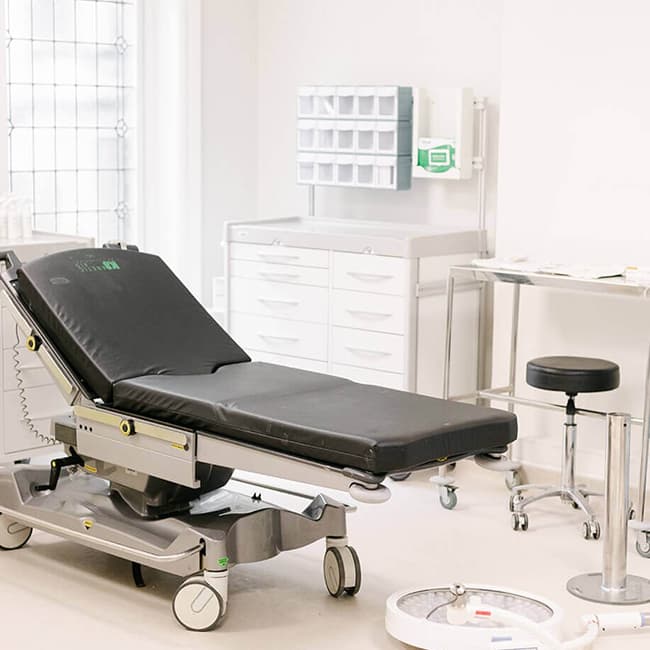
Gardasil 9 is the current HPV vaccine used in many countries worldwide. It protects against nine HPV strains, including those responsible for the majority of HPV-related cancers and genital warts.
The vaccine provides protection against:
HPV 16 and HPV 18 alone are responsible for the majority of HPV-related cancers. HPV 6 and HPV 11 account for most cases of genital warts.

Many people assume HPV vaccination is only relevant during adolescence. In reality, adults may still benefit significantly from vaccination.
Vaccination may be particularly valuable for:
Even if someone has already been exposed to one HPV strain, vaccination may still provide protection against other strains covered by the vaccine.

No. HPV vaccination prevents future infection but does not eliminate HPV that is already present.
This is an important distinction. The goal of vaccination is prevention rather than treatment.
HPV vaccination has been one of the major public health success stories of the past two decades.
Studies have demonstrated substantial reductions in:
Many experts believe that widespread HPV vaccination has the potential to dramatically reduce HPV-related cancers in future generations.

The schedule depends on age and individual circumstances. Most adults receiving HPV vaccination privately receive a three-dose course over several months. We can advise on the most appropriate schedule during consultation.
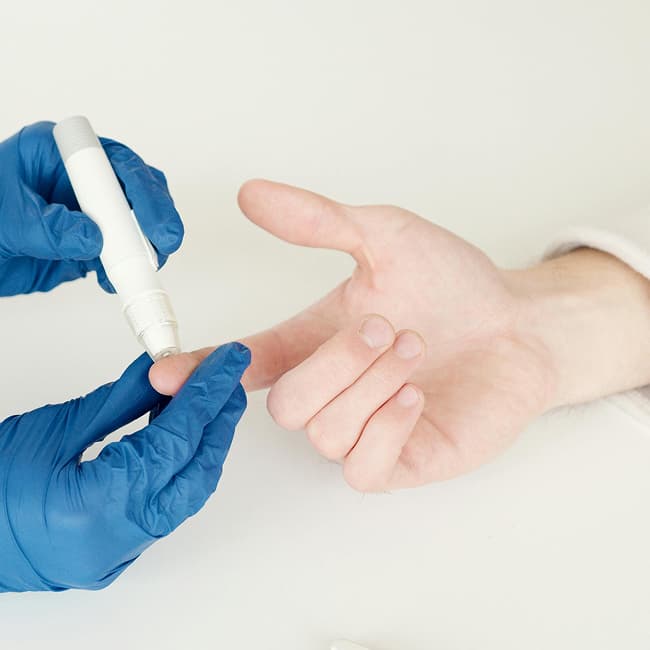
HPV vaccination has been extensively studied worldwide. Hundreds of millions of doses have been administered globally and the vaccine has an excellent safety record.
Most side effects are mild and temporary. These may include:
Serious side effects are extremely uncommon.

Few vaccines offer the opportunity to reduce the risk of multiple cancers with a single intervention. For this reason, HPV vaccination is often one of the most valuable preventative healthcare decisions an individual can make.
Cervical screening remains one of the most successful cancer prevention programmes ever developed. The purpose of screening is not primarily to diagnose cancer, but to identify HPV infection and early cellular changes before cancer develops.
Most women who receive a positive HPV result or are told they have abnormal cells do not have cancer. In fact, the majority of abnormalities either resolve naturally or can be treated successfully when identified early. Modern screening pathways are specifically designed to detect and manage changes long before they become dangerous.
Terms such as high-risk HPV, low-grade changes, high-grade changes and colposcopy referral can understandably cause anxiety when taken out of context. Understanding the significance of a result often requires consideration of age, previous screening history and the specific abnormalities identified.
Whether you have received a high-risk HPV result, undergone colposcopy or would simply like a clearer understanding of your screening history, obtaining accurate information can often provide valuable reassurance and help ensure appropriate follow-up.
Awareness of anal HPV and anal cancer prevention has increased significantly in recent years, particularly among higher-risk groups such as men who have sex with men, individuals living with HIV, those with a history of HPV-related disease and immunocompromised patients.
Persistent infection with high-risk HPV types can lead to abnormal changes within the anal canal known as anal intraepithelial neoplasia (AIN). Whilst most cases do not progress to cancer, identifying significant abnormalities allows appropriate surveillance and treatment where required.
Anal cytology, often referred to as an anal smear test, may be considered in selected higher-risk individuals. Abnormal results sometimes require further assessment using specialist procedures such as high-resolution anoscopy. Screening recommendations continue to evolve and differ from established cervical screening programmes.
Many patients seek guidance following abnormal anal cytology results, positive HPV tests or concerns regarding future cancer risk. Understanding the significance of these findings requires consideration of the wider clinical picture rather than relying on a single test result in isolation.
At The Wright Practice, we discuss HPV vaccination as part of a wider strategy of preventative healthcare and sexual health optimisation. We help patients understand their personal risk profile, assess previous vaccination history and determine whether vaccination is likely to provide meaningful benefit.
Each Gardasil 9 injection costs £245, with the consultation fee included in the first appointment. The full course of three injections costs £735 in total.




Wow! Dr. Dan was extremely knowledgeable and attentive to my health and well being. I’m so glad to have found him!

I have been going to Dr Wright for a number of years now. He is highly knowledgeable, compassionate, open minded and efficient, I couldn’t recommend him highly enough
I have been a patient of Doctor Dan for some time and continue to consult with him despite having left the UK. Dan has the enthusiasm and energy of a young man, whilst taking the holistic “physician” approach of an old school family doctor, equipped with the most modern insights and technology.
Dr Jain was great. Expert knowledge with practical advice
Yes. Adults who have not been vaccinated can still benefit, particularly if they have not been exposed to all nine strains covered by Gardasil 9. We can discuss the likely benefit based on your individual circumstances during consultation.
No. Gardasil prevents infection with the HPV strains it covers but does not treat existing infection. Vaccination may still provide benefit against strains not yet encountered.
Current evidence suggests long-lasting protection, with studies showing effectiveness for at least 10 years.
Yes. Gardasil 9 has been extensively studied and is licensed in the UK. Common side effects include soreness and redness at the injection site, and serious adverse events are very rare.
No. Pre-vaccination HPV testing is not required. Even if you have had HPV before, vaccination may still be beneficial against strains you haven’t previously encountered.
Yes, Gardasil 9 is licensed for use in both men and women.
In most cases, yes. We can advise based on what other vaccinations you have planned.
AIN refers to pre-cancerous changes in the lining of the anal canal caused by HPV. Higher-grade AIN carries a greater risk of progression to anal cancer, and screening via an anal PAP smear is recommended for higher-risk individuals.
£245 per injection, with the full three-dose course costing £735 in total. The consultation fee is included in your first appointment.
The NHS offers HPV vaccination to men who have sex with men up to age 45 via sexual health clinics. Private vaccination at The Wright Practice is available to all adults, regardless of age or sexual orientation.
Book online | Call: +44 (0)207 139 1833 | Email: info@thewrightpractice.com
101 Harley Street, London, W1G 6AH
Rated ★ ★ ★ ★ ★ from 197 Reviews