
Testosterone levels in men decline gradually from the mid-thirties onwards. The symptoms that follow, including fatigue, low mood, reduced libido, weight gain, and difficulty concentrating, are often attributed to stress or ageing and left untreated.
Testosterone is the principal male sex hormone and plays an important role in many aspects of physical and psychological health. In addition to influencing libido and sexual function, testosterone contributes to energy levels, mood, muscle mass, body composition, bone health and overall wellbeing.
Testosterone levels naturally change throughout life, but some men develop symptoms related to hormonal imbalance or low testosterone levels that can significantly affect quality of life.
At The Wright Practice, we take a comprehensive and evidence-based approach to hormonal health. Our aim is to understand both your symptoms and the wider factors that may be contributing to them, rather than focusing solely on a single blood test result.
Symptoms that may be associated with low testosterone include:
Importantly, these symptoms can have many causes. Stress, poor sleep, weight gain, excessive alcohol intake, depression, certain medications and other medical conditions may all produce symptoms similar to testosterone deficiency.
Assessment typically involves:
Hormonal assessment may include: Total testosterone, Free testosterone calculations, Sex Hormone Binding Globulin (SHBG), Luteinising Hormone (LH), Follicle Stimulating Hormone (FSH), Oestradiol, Prolactin, Thyroid function.
Our approach focuses on identifying the underlying cause of symptoms and determining whether hormone levels are likely to be contributing.
Where appropriate, treatment options may include: Lifestyle optimisation, Weight management, Exercise and resistance training, Sleep optimisation, Management of contributing medical conditions, Testosterone Replacement Therapy (TRT).
Not every man with symptoms requires testosterone treatment, and not every man with a lower testosterone level will benefit from replacement therapy. Careful assessment and interpretation are essential.
Our goal is to help men understand their hormonal health, identify reversible causes of symptoms and develop a personalised strategy that supports both short-term wellbeing and long-term health.

Low testosterone, sometimes referred to as testosterone deficiency or male hypogonadism, is a condition in which testosterone levels are insufficient to meet the body’s physiological needs. It can affect men of all ages, although it becomes more common with increasing age, excess body weight and certain medical conditions.
The diagnosis of low testosterone is based on a combination of symptoms and blood test results. A blood test alone is rarely enough to determine whether treatment is appropriate, as testosterone levels can vary considerably between individuals and may fluctuate from day to day.
Common symptoms include:
Many of these symptoms are common and may also be caused by stress, poor sleep, depression, excess alcohol intake, obesity, medications or other medical conditions. For this reason, a careful assessment is essential before attributing symptoms to testosterone deficiency.
Potential causes of low testosterone include:
Assessment typically involves a detailed review of symptoms together with blood tests that may include: Total testosterone, SHBG, Calculated free testosterone, LH, FSH, Prolactin, Oestradiol, Thyroid function.
Understanding the underlying cause is often just as important as measuring the testosterone level itself.
In some men, lifestyle interventions such as weight loss, improved sleep, reduced alcohol intake and resistance training can significantly improve testosterone levels and symptoms. In others, Testosterone Replacement Therapy (TRT) may be appropriate.
Our aim is to establish whether low testosterone is genuinely contributing to symptoms and to develop an individualised management plan that focuses on both symptom improvement and long-term health outcomes.
For many men, assessment provides reassurance. For others, it identifies an opportunity to address a treatable cause of reduced wellbeing and improve quality of life through a structured and evidence-based approach.
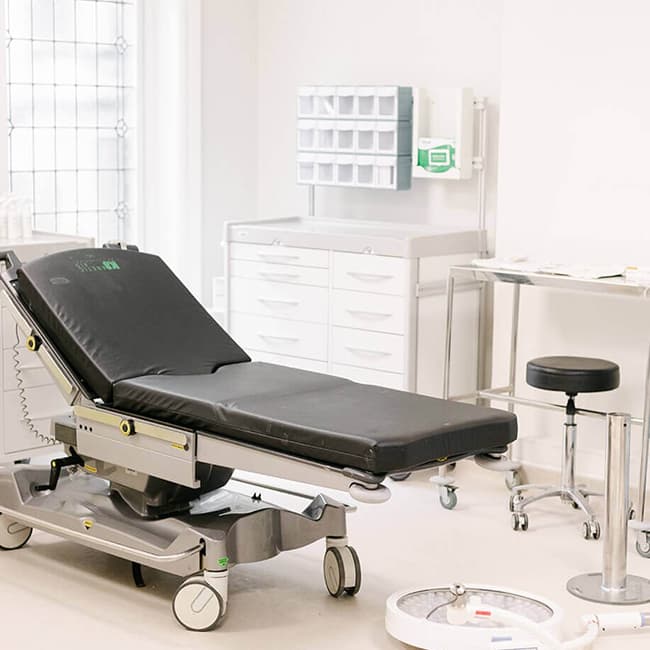
Testosterone Replacement Therapy (TRT) is a treatment designed to restore testosterone levels in men with confirmed testosterone deficiency and associated symptoms. When prescribed appropriately and carefully monitored, TRT can significantly improve quality of life in selected individuals.
The aim of treatment is not to achieve supraphysiological testosterone levels or enhance athletic performance. Rather, the goal is to restore hormone levels to a healthy physiological range and improve symptoms attributable to testosterone deficiency.
Potential benefits of TRT may include:
However, TRT is not appropriate for every man with a low testosterone result. Successful treatment depends on careful patient selection, thorough assessment and ongoing monitoring.

There is no single “best” form of testosterone replacement therapy. The most appropriate treatment depends on symptoms, lifestyle, treatment goals, personal preference and, importantly, how stable hormone levels are throughout the treatment cycle.
The best treatment is the one that provides effective symptom control, stable hormone levels and fits comfortably into your lifestyle.
At The Wright Practice, treatment decisions are individualised. We discuss the advantages and disadvantages of each option and work with patients to identify the approach most likely to achieve a safe and sustainable long-term outcome.
estosterone gel is applied daily to the skin and allows testosterone to be absorbed gradually into the bloodstream.
Potential advantages include:
Potential disadvantages include:
Sustanon is a short-acting injectable testosterone preparation. It is often administered weekly or every few days to help maintain relatively stable hormone levels.
Potential advantages include:
Potential disadvantages include:
In our practice, many men prefer smaller, more frequent injections rather than the traditional approach of larger injections every few weeks.
Nebido is a long-acting testosterone injection administered approximately every 10–14 weeks.
Potential advantages include:
Potential disadvantages include:
Some patients appreciate the convenience of infrequent injections, whilst others prefer shorter-acting preparations that allow finer control of hormone levels.
Kyzatrex is an oral testosterone preparation that has become available more recently.
Potential advantages include:
Potential disadvantages include:
For men who dislike injections and do not wish to use gels, oral testosterone can represent an attractive alternative.
Regular monitoring is an essential part of TRT and helps ensure treatment remains both safe and effective.
Monitoring may include:
Like any medical treatment, TRT has potential risks and limitations. These may include:
One particularly important consideration is fertility. Testosterone replacement can significantly reduce sperm production and should not generally be used in men actively trying to conceive without specialist advice.
We take a cautious, evidence-based approach to testosterone therapy. Treatment is tailored to the individual and reviewed regularly to ensure that benefits continue to outweigh any potential risks.
The goal is not simply to increase testosterone levels, but to improve health, wellbeing and quality of life whilst maintaining the highest standards of safety and clinical oversight.
For most men, successful TRT is a long-term partnership between patient and clinician, built on regular review, open communication and careful monitoring over time.
Hormones influence many aspects of physical and psychological health, including energy levels, mood, body composition, sexual function, sleep and cognitive performance. When hormone levels become disrupted, symptoms can often develop gradually and may easily be mistaken for stress, ageing or the effects of a busy lifestyle.
Many men live with hormonal symptoms for months or even years before seeking medical advice. In some cases, symptoms are related to testosterone deficiency, but other hormonal systems may also play an important role.
Common symptoms that may be associated with hormonal imbalance include:
It is important to recognise that these symptoms are common and often have multiple potential causes. Whilst testosterone deficiency is one possibility, similar symptoms may also be associated with:
For this reason, assessment should focus on understanding the wider clinical picture rather than simply measuring a single hormone level.
A comprehensive hormonal assessment may include: Testosterone, SHBG, Free testosterone calculations, LH, FSH, Oestradiol, Prolactin, Thyroid function, Cortisol, Nutritional markers where appropriate.
Many men are surprised to discover that symptoms often arise from a combination of factors rather than a single hormonal abnormality. For example, poor sleep, excess body fat and chronic stress can all contribute to lower testosterone levels whilst simultaneously causing fatigue, reduced motivation and impaired recovery.
Our approach focuses on identifying the factors most likely to be contributing to symptoms and developing a personalised management plan. This may include lifestyle interventions, weight management, sleep optimisation, treatment of underlying medical conditions or, where appropriate, hormonal therapy.
The goal is not simply to improve blood test results, but to improve how you feel, function and perform in everyday life.
Testosterone Replacement Therapy (TRT) is not simply about starting treatment. Ongoing monitoring is a vital part of safe and effective care, helping to ensure that treatment remains appropriate, symptoms improve and potential side effects are identified early.
At The Wright Practice, we believe that good TRT management involves far more than prescribing testosterone. Regular review allows us to assess how treatment is working, optimise dosing where required and monitor wider aspects of health that may be influenced by hormone therapy.
Monitoring typically includes:
Testosterone levels vary significantly between individuals, and the dose required to achieve symptom improvement can differ considerably from one patient to another.
Monitoring helps us assess:
Most men tolerate TRT well when carefully prescribed and monitored. However, potential side effects may include:
These risks can often be minimised through appropriate patient selection, sensible dosing and regular follow-up.
One of the most important discussions prior to starting TRT relates to fertility.
Testosterone replacement can significantly suppress sperm production and may reduce fertility whilst treatment continues. Men who are actively trying to conceive, or who may wish to have children in the future, should discuss this carefully before commencing therapy.
Alternative approaches may sometimes be more appropriate in these circumstances.
Current evidence does not suggest that TRT causes prostate cancer. However, monitoring PSA levels and prostate health remains an important part of long-term care, particularly in older men and those with relevant family histories.



Wow! Dr. Dan was extremely knowledgeable and attentive to my health and well being. I’m so glad to have found him!

I have been going to Dr Wright for a number of years now. He is highly knowledgeable, compassionate, open minded and efficient, I couldn’t recommend him highly enough
I have been a patient of Doctor Dan for some time and continue to consult with him despite having left the UK. Dan has the enthusiasm and energy of a young man, whilst taking the holistic “physician” approach of an old school family doctor, equipped with the most modern insights and technology.
Dr Jain was great. Expert knowledge with practical advice
Before treatment, Dr Dan will arrange testosterone levels (total and free), SHBG, PSA, full blood count, liver function, and other markers as appropriate to your individual circumstances.
Yes. Testosterone therapy suppresses the body’s own testosterone production and reduces sperm count. These effects are typically reversible on stopping treatment, but this is worth discussing in detail if you’re planning to have children.
NHS testosterone prescribing for hypogonadism is available but can be difficult to access. Private treatment at The Wright Practice allows for faster assessment and more flexibility in treatment choice.
Yes. Good sleep quality, resistance exercise, reducing alcohol intake, managing stress, and maintaining a healthy body weight can all support healthy testosterone levels, and we may discuss these alongside or instead of medication depending on your situation.
Nebido is a long-acting injection given every three months, requiring fewer injections overall but with less flexibility. Sustanon can be given more frequently or used for microdosing protocols, offering greater flexibility for patients who prefer it.
Yes. While testosterone deficiency is more common in men over 40, it can affect younger men too, and Dr Dan assesses each patient individually rather than applying an age cut-off.
Many patients notice improvements in energy and mood within a few weeks, with the full benefit typically developing over three to six months.
The most common minor effects are acne, fluid retention and increased urination. More significant risks include changes to fertility and an increased red blood cell count, both of which are monitored through regular blood tests during treatment.
Yes, regular blood tests and review appointments are an important part of safe, effective testosterone therapy, and we’ll set out a monitoring schedule appropriate to your treatment.
£185 for registered patients or £215 for new patients. Treatment costs vary depending on the medication chosen, and we’ll confirm these clearly before you start.
Book online | Call: +44 (0)207 139 1833 | Email: info@thewrightpractice.com
101 Harley Street, London, W1G 6AH
Rated ★ ★ ★ ★ ★ from 197 Reviews