
Sexual health is an important part of overall wellbeing, and it should never be delayed because of embarrassment or worry about judgement. At The Wright Practice, our team is friendly, experienced, and completely non-judgmental. We offer same-day testing and results for many conditions, full anonymity when needed, and a confidential service that is faster and more accessible than a hospital GUM clinic.
Sexual health is an important part of overall physical and emotional wellbeing.
Many sexual health conditions are highly treatable and, when identified early, can often be managed quickly and effectively. Equally, modern preventative strategies now allow many infections and complications to be avoided altogether.
At The Wright Practice, we provide confidential, evidence-based sexual healthcare for individuals of all ages, genders and sexual orientations.
Our services range from routine sexual health screening and STI testing through to HIV prevention, vaccination, fertility assessment, hormonal health, HPV-related disease and the investigation of persistent or complex sexual health symptoms.
We have particular expertise in HIV prevention, PrEP and PEP prescribing, LGBTQ+ sexual healthcare, HPV-related disease and the management of patients with ongoing symptoms despite negative routine testing. Whether you are attending for routine screening, entering a new relationship, seeking reassurance following an exposure, experiencing symptoms, considering PrEP, planning a pregnancy or simply wishing to take a proactive approach to your sexual health, our aim is to provide expert, non-judgemental care tailored to your individual circumstances.
Sexual health concerns can often feel sensitive or anxiety-provoking. We believe patients benefit from clear explanations, accurate information and continuity of care, allowing them to make informed decisions about both their immediate concerns and their long-term health.

Sexually transmitted infections (STIs) are extremely common and affect people of all ages, backgrounds and relationship statuses. Many infections cause no symptoms at all, meaning it is entirely possible to feel well whilst carrying an infection.
Chlamydia is the most commonly diagnosed bacterial sexually transmitted infection in the United Kingdom.
It is caused by the bacterium Chlamydia trachomatis and is particularly common in sexually active adults. One of the reasons chlamydia remains so prevalent is that the majority of infected individuals experience no symptoms at all.
Gonorrhoea is a sexually transmitted infection caused by the bacterium Neisseria gonorrhoeae.
Although highly treatable, gonorrhoea remains an important public health concern because infection is common, symptoms are frequently absent and antibiotic resistance has increased significantly worldwide.
Syphilis is a sexually transmitted infection caused by the bacterium Treponema pallidum.
Herpes simplex virus (HSV) is one of the most common viral infections worldwide and remains one of the most misunderstood conditions encountered in sexual health practice.
Trichomonas vaginalis is a sexually transmitted infection caused by a microscopic parasite rather than a bacterium or virus.
Mycoplasma genitalium has become increasingly recognised as an important cause of persistent genital and urinary symptoms.
Ureaplasma is one of the most common causes of confusion and anxiety within sexual health medicine.
Chancroid is a rare sexually transmitted infection caused by the bacterium Haemophilus ducreyi.
We recognise that attending a clinic is not always convenient.
Many patients prefer the privacy, flexibility and convenience of collecting samples at home, particularly for routine screening, follow-up testing or testing before entering a new relationship.
Few areas of medicine have evolved as dramatically as HIV.
Over the past three decades, advances in testing, treatment and prevention have transformed HIV from a life-threatening illness into a highly manageable chronic condition. At the same time, the development of PrEP, PEP and increasingly sensitive testing methods has fundamentally changed how HIV is prevented and diagnosed.
Despite these advances, HIV remains an area that generates considerable anxiety and confusion. Many people continue to rely on outdated information regarding transmission, testing, life expectancy and treatment outcomes.
At The Wright Practice, we provide comprehensive HIV testing, prevention and care. This includes routine HIV screening, early detection testing, PrEP and PEP prescribing, risk assessment, vaccination advice and support for individuals living with HIV.
We have particular expertise in helping patients navigate complex testing decisions following potential exposures. Understanding which test to perform, when to perform it and how to interpret the result is often just as important as the test itself.
Whether you are seeking routine screening, reassurance following an exposure, advice regarding PrEP, assessment following PEP or simply wish to better understand your HIV risk, our aim is to provide clear, evidence-based guidance tailored to your individual circumstances.
The sections below explain the different HIV testing options available, modern approaches to HIV prevention and the remarkable advances that have transformed HIV medicine in recent years.
This is the standard laboratory HIV screening test and is often referred to as a HIV DUO test or fourth-generation HIV test.
It looks for two different markers:
The p24 antigen is a viral protein that may become detectable before antibodies have fully developed. By testing for both antigen and antibodies, fourth-generation testing can identify HIV earlier than older antibody-only tests.
This is generally the preferred test for routine HIV screening, relationship screening and confirmation following a potential exposure.
Many infections are detectable before six weeks, but current UK practice generally regards a negative laboratory fourth-generation HIV test at around six weeks after exposure as conclusive in most circumstances.
This is a molecular early detection screen tests directly for viral genetic material rather than waiting for the immune system to produce antibodies.
The screen includes:
This can be useful after a recent higher-risk exposure where earlier reassurance is desired, particularly before standard serology has reached its definitive window period.
TDL describes this as a PCR/NAAT screen from 10 days post exposure. Positive findings are reflexed for confirmatory testing.
This test is not usually a replacement for later HIV DUO testing. Instead, it forms part of an early testing pathway where patients want meaningful information before the six-week confirmatory point.
This is an HIV-1 RNA test designed for early detection.
Unlike the HIV DUO test, which looks for antigen and antibody responses, HIV RNA testing looks directly for the virus itself. TDL lists HIV Rapid RNA HIV-1 Qualitative as an early detection test, with HIV-1 RNA testing and sample handling requirements specified by the laboratory. TDL also refers to Rapid Xpert HIV-1 RNA Qualitative testing as an early detection option from 10 days.
This test may be useful where the main clinical question is:
“Is there evidence of HIV-1 RNA at this early stage?”
It is particularly relevant for patients seeking the earliest available HIV-specific molecular test following a potential exposure.
Choosing The Right HIV Test
The choice of test depends on timing. If exposure was within 72 hours, the priority is not testing but urgent assessment for PEP. From around 10 days after exposure, molecular testing such as HIV RNA PCR/NAAT may provide early reassurance.
From six weeks after exposure, laboratory fourth-generation HIV screening is generally used as the definitive screening test in most circumstances.
In some cases, more than one test is appropriate at different time points. Our role is to help patients understand which test answers which question, when it should be performed and whether follow-up testing is required.
How Accurate Are Modern HIV Tests?
Modern HIV testing is extraordinarily accurate when performed at the appropriate time.
One of the most common misconceptions is that all HIV tests are looking for the same thing. In reality, different tests detect different markers of infection and therefore become positive at different stages following exposure.
HIV 1 & 2 Abs/p24 Ag (4th Generation HIV DUO)
This remains the gold-standard screening test for most patients. The test combines HIV antibody detection with p24 antigen detection and offers excellent sensitivity and specificity.
When performed after the appropriate window period, a negative result is considered highly reliable and provides extremely strong reassurance that HIV infection is not present.
HIV/HBV/HCV Screen by PCR/NAAT
Molecular testing identifies viral genetic material directly. This allows infection to be detected significantly earlier than conventional antibody-based testing. The primary advantage of PCR/NAAT testing is therefore timing rather than superior overall accuracy.
It answers a different clinical question:
“Is there evidence of viral genetic material at this very early stage following exposure?”
This is one of the earliest HIV-specific tests available.
Because it looks directly for HIV RNA, it may become positive before antigen or antibody tests.
However, no HIV test should be interpreted in isolation. Results must always be considered alongside:
Why Timing Matters More Than Accuracy
Patients often ask which HIV test is “most accurate”.
In practice, the more important question is usually:
“Which test is most appropriate today?”
A highly sensitive test performed too early may be less informative than a different test performed at the correct time.
For this reason, selecting the right test and interpreting it in the correct clinical context is often more important than choosing the most technologically advanced assay.
Post-Exposure Prophylaxis (PEP) is an emergency course of antiretroviral medication taken after a potential HIV exposure in an attempt to prevent infection from becoming established.
Pre-Exposure Prophylaxis (PrEP) has transformed HIV prevention and is now one of the most effective strategies available for reducing the risk of HIV acquisition.
One of the most common questions in sexual health medicine is:
“When can I test?”
The answer is not always straightforward.
One of the most common questions we are asked is:
“Which HIV test should I have?”
The answer depends largely on timing.
PrEP, short for Pre-Exposure Prophylaxis, is one of the most significant advances in HIV prevention in modern medicine.
PEP, short for Post-Exposure Prophylaxis, is an emergency HIV prevention treatment used after a potential exposure to HIV.
One of the most common questions we are asked is:
“What are my chances of catching HIV from this exposure?”
One of the most common HIV-related consultations we provide is not the diagnosis of HIV, but the assessment of anxiety following a potential exposure.
Many patients attend convinced that they have placed themselves at significant risk, only to discover that the actual level of risk is far lower than they feared.
Others have undergone multiple HIV tests but remain unable to fully trust the results.
Few developments in modern medicine have had a greater impact on HIV care than the concept of U=U.
U=U stands for:
Undetectable = Untransmittable
It means that individuals living with HIV who are taking effective treatment and who maintain a sustained undetectable viral load do not sexually transmit HIV to their partners.

Non-specific urethritis (NSU) describes inflammation of the urethra, the tube that carries urine from the bladder, when common causes such as chlamydia and gonorrhoea have not been identified. It is one of the most frequently encountered diagnoses in sexual health medicine and can affect both men and women, although it is most commonly discussed in men.
For many patients, a single episode of urethritis responds to treatment and resolves completely. However, a smaller group experience recurrent symptoms, with episodes returning weeks, months or even years after the initial presentation. This can be both frustrating and anxiety-provoking, particularly when repeated testing fails to identify a clear explanation.
Chronic Pelvic Pain Syndrome (CPPS), sometimes referred to as chronic prostatitis or chronic prostatitis/chronic pelvic pain syndrome (CP/CPPS), is a common but often poorly understood condition that can cause persistent discomfort within the pelvis, genitals, perineum, lower abdomen or urinary tract.
Advances in molecular testing have led to increased detection of organisms such as Mycoplasma genitalium and Ureaplasma species. Whilst these organisms are frequently discussed within sexual health medicine, their significance is not always straightforward and can sometimes lead to confusion or anxiety when results are interpreted without appropriate clinical context.
One of the most challenging situations in sexual health medicine occurs when symptoms persist despite repeated investigations returning normal results. Many patients find this particularly frustrating, especially when symptoms are ongoing, intrusive and affecting quality of life.
Vaginal thrush is one of the most common causes of genital irritation and discomfort in women. Whilst most women will experience at least one episode during their lifetime, a smaller group develop recurrent thrush, with symptoms returning repeatedly despite treatment.
Bacterial vaginosis (BV) is the most common cause of vaginal discharge in women of reproductive age. Whilst many episodes respond well to treatment, recurrence is unfortunately common, and some women experience repeated symptoms over many months or even years.
The meningococcal B (MenB) vaccine was originally developed to protect against invasive meningococcal disease, a rare but potentially life-threatening infection that can cause meningitis and septicaemia.
Modern sexual health prevention rarely relies upon a single intervention.
Just as cardiovascular prevention may involve a combination of exercise, nutrition, blood pressure management and cholesterol reduction, sexual health prevention often involves several complementary strategies working together. The most effective approach depends upon an individual’s lifestyle, sexual practices, travel plans, relationship status and personal priorities.
No copy yet
No copy yet
No copy yet
Molluscum contagiosum is a common viral skin infection that causes small, raised bumps on the skin. Although entirely benign, the appearance of these lesions can be concerning, particularly when they occur in the genital area, leading many individuals to worry about sexually transmitted infections or more serious conditions.
No copy
Most sexual health concerns can be diagnosed and treated using well-established pathways. Occasionally, however, symptoms persist despite repeated investigations, test results appear contradictory, treatments fail to resolve the problem or patients are left without a clear explanation for what they are experiencing.
Modern sexual health is about far more than testing.
Whilst early diagnosis remains important, prevention is often even more powerful. Vaccination, HIV prevention strategies and behavioural interventions have transformed our ability to reduce the risk of many sexually transmitted infections.
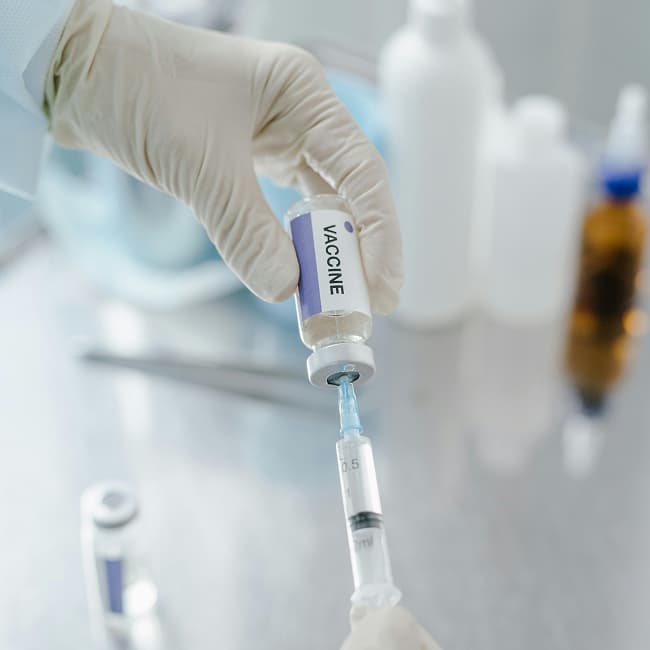
Many of the health concerns affecting men develop gradually and can have a significant impact on wellbeing, relationships, confidence and long-term health. Symptoms such as fatigue, low libido, weight gain, reduced exercise performance, erectile dysfunction, urinary symptoms and changes in mood are often attributed to ageing or stress, but may sometimes reflect underlying medical or hormonal issues that warrant further assessment.

Women’s health is about far more than managing symptoms. Hormonal changes, menstrual health, fertility, menopause, body composition, sexual wellbeing, energy levels and long-term disease prevention are all closely interconnected and can have a profound impact on quality of life.

| Full sexual health screen – from £345 | VIP sexual health screen – £645 | Early detection full sexual health screen – from £360 |
|---|---|---|
| Includes: HIV Duo or HIV INSTI; syphilis antibodies; hepatitis B antigen; hepatitis C antibodies and antigen; chlamydia and gonorrhoea. | Everything in the full screen, plus: HIV 1 and 2 RNA PCR; hepatitis C and B early detection PCR; genital Mycoplasma and Ureaplasma; Trichomonas; Gardnerella; herpes 1 and 2. | Includes: HIV/hepatitis B/hepatitis C PCR/NAAT (10-day window) or rapid XPERT HIV-1 qualitative early detection (7-day window); syphilis antibodies; same-day chlamydia and gonorrhoea. |
Sexual health is rarely just about a test result.
Many patients seek reassurance, clarity and guidance as much as diagnosis and treatment.
Our approach combines evidence-based medicine with a personalised and non-judgemental style of care.
Whether you are attending for routine screening, seeking reassurance following an exposure, managing a chronic condition or navigating a more complex sexual health concern, our aim is to provide clear information, thoughtful advice and expert clinical care.
We believe patients make better decisions when they understand their health. For this reason, we place significant emphasis on education, prevention and helping individuals navigate the increasingly complex world of sexual health medicine with confidence.
Wow! Dr. Dan was extremely knowledgeable and attentive to my health and well being. I’m so glad to have found him!

I have been going to Dr Wright for a number of years now. He is highly knowledgeable, compassionate, open minded and efficient, I couldn’t recommend him highly enough
I have been a patient of Doctor Dan for some time and continue to consult with him despite having left the UK. Dan has the enthusiasm and energy of a young man, whilst taking the holistic “physician” approach of an old school family doctor, equipped with the most modern insights and technology.
Dr Jain was great. Expert knowledge with practical advice
Yes. Many STIs, including chlamydia, gonorrhoea, and HIV, can be present without causing any obvious symptoms. If you have had unprotected sex, a test is the only reliable way to know your status. Early detection makes treatment simpler and more effective.
Chlamydia and gonorrhoea results are available the same day (fast track, within 4 hours) or next day. HIV rapid tests can return results quickly in clinic. Full screen results from laboratory-based tests are typically available within 24 to 48 hours.
Yes. We offer several HIV testing options including the HIV DUO test (from 28 days after exposure), the HIV INSTI rapid test, and the HIV RNA PCR early detection test (from 7 to 10 days after exposure). Dr Dan will advise which test is most appropriate based on when potential exposure occurred.
The window period depends on the type of test. The HIV RNA PCR test can detect infection from around 7 to 10 days after exposure. The HIV DUO test is reliable from 28 days. Dr Dan will advise on the most appropriate test and whether a repeat test is needed.
Yes. Genital wart treatment and consultation is available at £190. Dr Dan will assess and discuss the most appropriate treatment approach.
Yes. The sexual health service is open to everyone regardless of gender or sexual orientation. All testing, treatment, and vaccination services are available to all patients.
Yes. Hepatitis A, hepatitis B, and combined hepatitis A and B vaccinations are available. The hepatitis B course consists of three injections at £90 each, with vaccination consultations included.
Yes. Dr Dan can assess suitability for PrEP, prescribe it privately, and provide ongoing monitoring including the required regular HIV and kidney function tests.
Completely discreet. You may use a pseudonym if you prefer. All results and clinical information are held confidentially and will not be shared without your explicit consent.
The full sexual health screen and consultation starts from £345. The VIP screen is £645. Individual tests are available from £70 plus a consultation fee.
Book online | Call: +44 (0)207 139 1833 | Email: info@thewrightpractice.com
101 Harley Street, London, W1G 6AH
Rated ★ ★ ★ ★ ★ from 197 Reviews