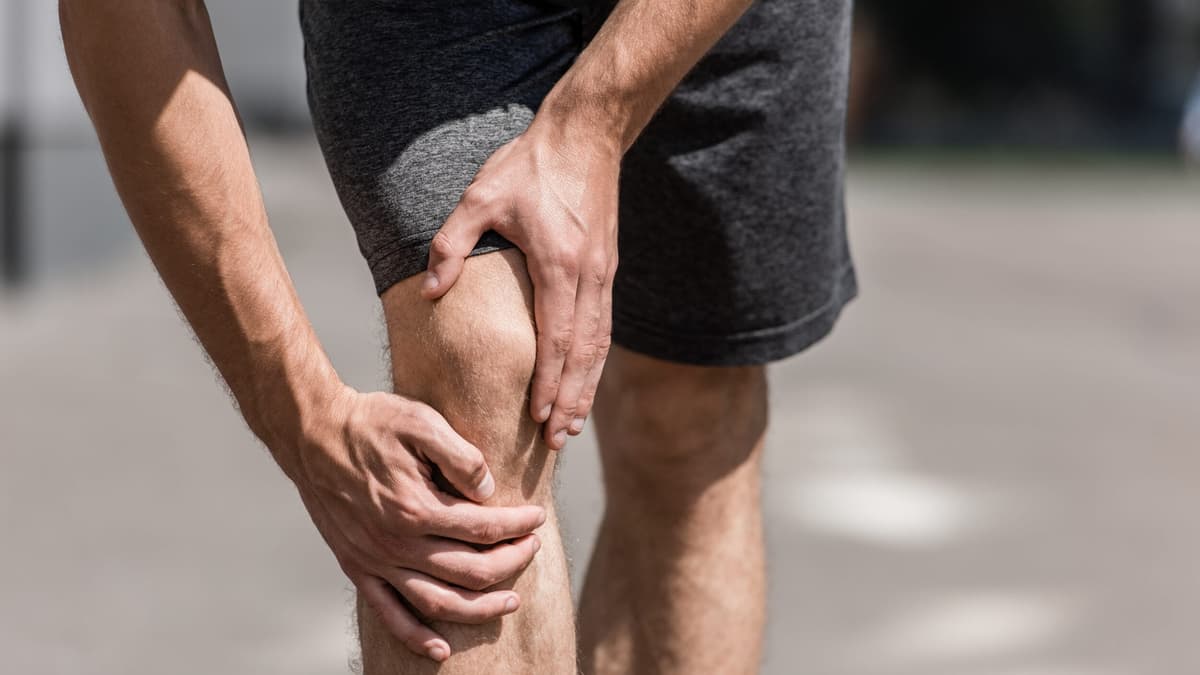
Joint pain, tendon injuries, back pain and sports-related problems are among the most common causes of pain and reduced quality of life.
At The Wright Practice, we take a comprehensive approach to musculoskeletal health. Treatment may involve rehabilitation, physiotherapy, chiropractic care, joint injections or regenerative therapies depending on the underlying condition and individual goals.
Our focus is not simply on reducing pain, but on improving function, restoring mobility and helping patients return to the activities they enjoy.
Successful treatment of musculoskeletal problems often requires more than a single intervention.
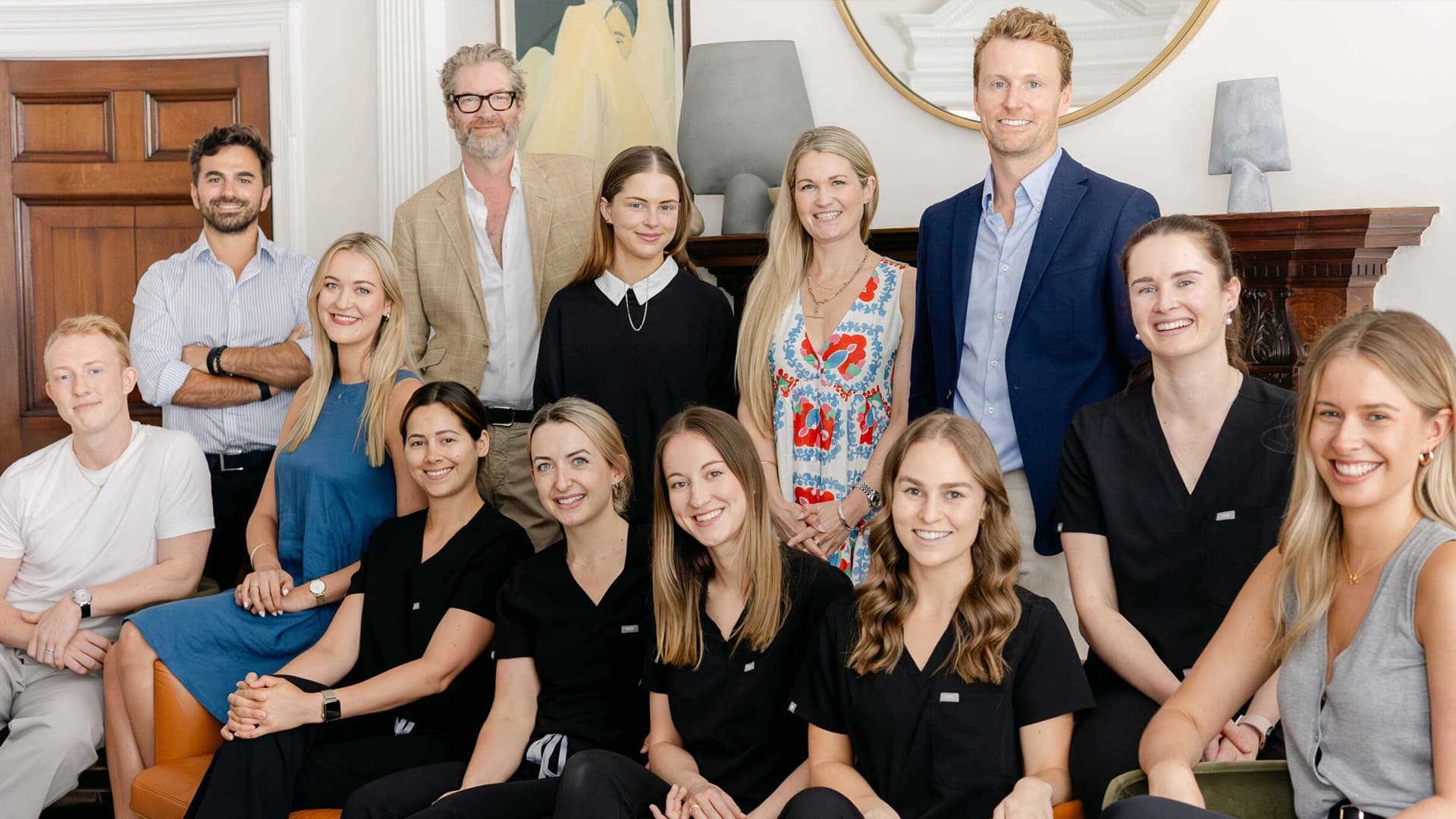
At The Wright Practice, patients have access to a multidisciplinary team with expertise in diagnosis, rehabilitation, manual therapy, exercise prescription, image-guided procedures and advanced injection therapies.
Dr Dan Wright provides medical assessment, diagnostic evaluation and a range of injection therapies including corticosteroid injections, Arthrosamid, PRP and regenerative treatments. He has a particular interest in helping patients avoid unnecessary surgery where possible and supporting long-term joint health.
Dr George Ross is an experienced chiropractor with a particular interest in spinal health, joint mechanics and movement-based rehabilitation. His approach focuses on improving mobility, reducing pain and helping patients return to normal activity.
Greg Ryan is an experienced physiotherapist who specialises in rehabilitation, injury recovery, strength restoration and return to sport. Physiotherapy often forms a central component of long-term recovery and injury prevention.
Dr Duncan Brennand is a Consultant Interventional Radiologist with expertise in image-guided musculoskeletal procedures. Ultrasound and imaging-guided interventions can improve procedural accuracy and may be particularly valuable for selected joint, tendon and soft tissue conditions.
By combining medical assessment, physiotherapy, chiropractic care, interventional radiology expertise and advanced injection therapies, we are able to offer a comprehensive and personalised approach to musculoskeletal health.
Successful treatment begins with an accurate diagnosis.
Many musculoskeletal conditions present with similar symptoms but require very different management strategies.
Our assessment process focuses on identifying the true source of pain, understanding contributing factors and creating an individualised treatment plan.
Back and neck pain are among the most common musculoskeletal complaints.
Assessment may identify disc problems, facet joint pain, muscle dysfunction, postural issues, nerve irritation or degenerative changes.
Treatment is tailored according to the underlying cause and may involve rehabilitation, physiotherapy, chiropractic treatment, injections or specialist referral where required.
Sports injuries may affect muscles, tendons, ligaments and joints.
Whether the problem relates to running, golf, tennis, cycling, gym training or other sporting activities, our aim is to identify the cause of symptoms and support a safe return to activity.
Osteoarthritis commonly affects the knees, hips, shoulders and small joints of the hands.
Whilst arthritis cannot be reversed, a range of treatments may help reduce pain, improve function and potentially delay the need for surgery.
Tendinopathy is a common cause of persistent pain and may affect the Achilles tendon, rotator cuff, elbow, patellar tendon and other structures.
Treatment options range from rehabilitation programmes through to injection therapies depending on the severity and duration of symptoms.
For many musculoskeletal conditions, rehabilitation remains the most important component of treatment.
Improving strength, mobility, movement patterns and overall biomechanics often provides the best long-term outcomes.
Physiotherapy plays a central role in the treatment of many musculoskeletal conditions.
Treatment may focus on pain reduction, mobility restoration, strength development, injury recovery and prevention of recurrence.
Individualised rehabilitation programmes remain one of the most effective treatments for many musculoskeletal conditions.
Treatment plans are designed to improve strength, mobility and resilience whilst reducing the risk of future injury.
Chiropractic treatment can be helpful for selected patients with spinal, joint and mobility-related problems.
Treatment focuses on restoring movement, improving biomechanics and supporting long-term musculoskeletal health.
For active individuals, treatment should focus not only on recovery but also on preventing future injury.
Assessment of biomechanics, training load and movement patterns can help identify factors contributing to recurrent problems.
Injection therapies can play an important role in the management of musculoskeletal conditions, helping to reduce pain, improve function and support recovery. Different treatments work in different ways and are appropriate for different clinical situations. Some focus primarily on reducing inflammation, whilst others aim to support tissue healing, improve joint function or provide longer-lasting symptom relief.
The most appropriate treatment depends upon the diagnosis, severity of symptoms, previous treatments, imaging findings and individual goals. Our role is to help patients understand the available options and determine which approach is most likely to provide meaningful benefit.
Corticosteroid injections reduce inflammation and can provide rapid symptom relief.
They are commonly used for bursitis, frozen shoulder, trigger finger, arthritis flares, tendon-related pain and other inflammatory conditions.
For appropriately selected patients, they can provide substantial short- to medium-term relief.
Where appropriate, ultrasound guidance can improve accuracy and ensure medication is delivered precisely to the target structure.
This can be particularly helpful for tendon, bursal and smaller joint injections.
Arthrosamid is a non-biodegradable hydrogel injection designed for patients with knee osteoarthritis.
Unlike corticosteroid injections, which primarily reduce inflammation, Arthrosamid becomes integrated within the synovial lining of the knee joint and may provide longer-lasting symptom relief.
It is particularly attractive for patients seeking a non-surgical option for managing knee arthritis.
PRP uses a concentrated preparation of the patient’s own platelets obtained from a blood sample.
Platelets contain growth factors that may support tissue healing and recovery.
PRP is commonly used for tendon injuries, tennis elbow, Achilles tendinopathy, patellar tendinopathy and selected joint conditions.
It has become increasingly popular amongst both athletes and non-athletes seeking a regenerative approach to treatment.
Exosomes are microscopic signalling particles released by cells that play a role in communication and tissue repair.
Exosome therapy is an emerging area of regenerative medicine and may be considered in selected patients with joint, tendon or soft tissue problems.
The evidence base continues to evolve, and treatment decisions should be individualised following careful discussion of potential benefits and limitations.
There is no single injection that is appropriate for every patient or every condition.
Some treatments are designed primarily to reduce inflammation, whilst others aim to support tissue healing or provide longer-term symptom relief. Factors such as the diagnosis, severity of symptoms, previous treatments, imaging findings and individual goals all influence which option may be most suitable.
During consultation, we review the wider clinical picture and discuss the potential benefits, limitations and evidence supporting each treatment. This allows patients to make informed decisions and helps ensure that treatment recommendations are tailored to their individual circumstances rather than following a one-size-fits-all approach.
There is rarely a single treatment that works for every patient.
Some patients respond best to physiotherapy, others to chiropractic treatment, others to injection therapy and some may ultimately require surgical assessment.
Our philosophy is to select the least invasive treatment likely to achieve meaningful improvement whilst maintaining a clear focus on long-term function, mobility and quality of life.
We believe the best outcomes are achieved when diagnosis, rehabilitation and intervention work together as part of a coordinated treatment plan.

Whether you are struggling with arthritis, a sports injury, tendon pain, back pain or a long-standing joint problem, our aim is to identify the underlying cause, explain the available options and create a personalised treatment plan that helps you return to the activities that matter most to you.



Wow! Dr. Dan was extremely knowledgeable and attentive to my health and well being. I’m so glad to have found him!

I have been going to Dr Wright for a number of years now. He is highly knowledgeable, compassionate, open minded and efficient, I couldn’t recommend him highly enough
I have been a patient of Doctor Dan for some time and continue to consult with him despite having left the UK. Dan has the enthusiasm and energy of a young man, whilst taking the holistic “physician” approach of an old school family doctor, equipped with the most modern insights and technology.
Dr Jain was great. Expert knowledge with practical advice
Both work with musculoskeletal conditions, but the approaches differ. Chiropractors focus particularly on the spine and joint function, using manual adjustments alongside exercise and soft tissue work, while physiotherapists tend to use more exercise-based rehabilitation.
This depends on the nature and chronicity of your condition. Acute injuries may respond within a few sessions, while long-standing conditions may need more. Dr Dan will give you a realistic indication at your first appointment.
Chiropractic is generally very safe when performed by a qualified practitioner. Dr Dan holds a master’s degree and postgraduate certification and has over 10 years of experience.
Yes. Many headaches, particularly tension headaches and cervicogenic headaches arising from the neck, respond well to chiropractic treatment.
Yes. Joint injections with Dr Dan can be arranged directly, particularly for patients who already have a diagnosis and are seeking injection therapy.
Yes. The Arthrosamid knee injection for knee osteoarthritis is performed by Dr Dan at 101 Harley Street.
Dr Dan can assess and treat musculoskeletal back pain in pregnant patients using appropriate low-force techniques. Please mention your pregnancy when booking.
A new appointment is £140; follow-up appointments are £100.
Yes, his approach covers both acute sports injuries and longer-standing musculoskeletal conditions, with a treatment plan tailored to the specific injury and timeline.
Dr Dan will assess your condition, discuss your history and goals, and recommend an appropriate treatment plan, which may include manual techniques, soft tissue work, or a home exercise programme depending on what’s found.
Book online | Call: +44 (0)207 139 1833 | Email: info@thewrightpractice.com
101 Harley Street, London, W1G 6AH
Rated ★ ★ ★ ★ ★ from 197 Reviews