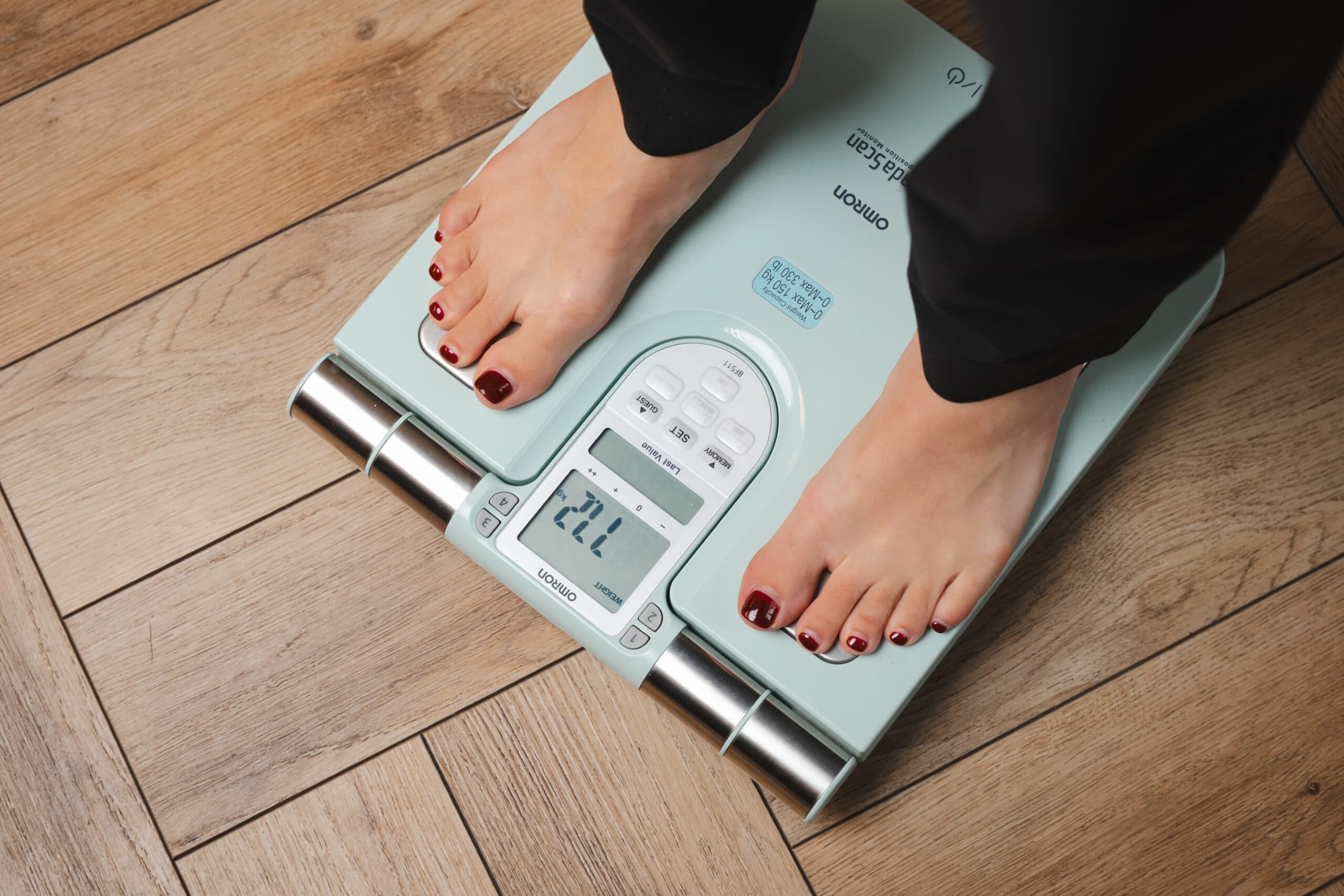
Medical Weight Loss with Wegovy and Mounjaro at The Wright Practice, Harley Street

These medications can be remarkably effective, but we see them as part of a much bigger picture. For many patients, weight gain is linked to a combination of factors such as stress, busy lifestyles, poor sleep, hormonal changes, emotional eating, or years of struggling with appetite and cravings.

Understanding Weight & Metabolic Health

For many years, weight management was viewed primarily as a question of willpower, with the assumption that successful weight loss simply required individuals to eat less and exercise more. Whilst nutrition and physical activity remain important, our understanding of obesity and metabolic health has evolved considerably.

We now recognise that body weight is regulated by a complex interaction between genetics, hormones, appetite signalling, metabolism, sleep, stress, medications and environmental factors. These systems influence how hungry we feel, how easily we become full, how much energy we expend and how strongly the body defends its existing weight.

This helps explain why two individuals following similar diets and exercise programmes may experience very different outcomes. It also explains why maintaining weight loss can be considerably more difficult than achieving it in the first place.

What Is Metabolic Health?

Metabolic health refers to how effectively the body regulates and uses energy.

It encompasses a range of interconnected processes including:

  • Blood sugar regulation
  • Insulin sensitivity
  • Fat storage and utilisation
  • Appetite regulation
  • Cholesterol metabolism
  • Energy production

When metabolic health is impaired, the risk of developing conditions such as obesity, type 2 diabetes, cardiovascular disease, fatty liver disease and certain cancers increases significantly.

Importantly, metabolic health and body weight are closely related but are not identical. Some individuals carry excess weight whilst remaining metabolically healthy, whilst others may develop metabolic abnormalities despite appearing relatively lean.

Why Is Weight Loss So Difficult?

The body possesses sophisticated mechanisms designed to prevent weight loss.

When calorie intake falls and body weight decreases, hormonal changes occur that may:

  • Increase hunger
  • Reduce feelings of fullness
  • Lower energy expenditure
  • Encourage weight regain

From an evolutionary perspective, these mechanisms helped protect humans during periods of food scarcity. In modern society, however, they can make sustained weight loss particularly challenging.

This is one reason why many individuals experience repeated cycles of weight loss followed by weight regain despite considerable effort.

Is Obesity A Medical Condition?

Increasingly, obesity is recognised as a chronic medical condition rather than simply a lifestyle issue.

Like high blood pressure or diabetes, obesity results from a combination of biological, environmental and behavioural influences. This does not mean that lifestyle is unimportant, but it does mean that long-term management often requires a more sophisticated approach than diet alone.

Modern obesity medicine focuses on understanding the biological drivers of weight gain and addressing them using evidence-based interventions alongside nutrition, exercise and behavioural support.

Why Does Weight Matter?

Excess body weight can affect almost every aspect of health.

It is associated with an increased risk of:

  • Type 2 diabetes
  • Cardiovascular disease
  • High blood pressure
  • Fatty liver disease
  • Sleep apnoea
  • Osteoarthritis
  • Certain cancers
  • Reduced mobility and physical function

Even modest reductions in body weight can lead to meaningful improvements in many of these conditions, reducing future health risks and improving quality of life.

A Modern Approach To Weight Management

Successful weight management is rarely about pursuing rapid weight loss or achieving an arbitrary number on the scales.

Instead, the focus should be on improving metabolic health, reducing future disease risk, preserving muscle mass and achieving sustainable long-term results.

Recent advances in obesity medicine have provided new tools to support this process, but the most effective approach remains one that combines medical science, lifestyle optimisation and personalised care.

At The Wright Practice, we view weight management as an important component of preventative healthcare. Our goal is not simply to help patients lose weight, but to improve long-term health, wellbeing and quality of life through a comprehensive and evidence-based approach.

Wegovy (Semaglutide) & Mounjaro (Tirzepatide)

The introduction of GLP-1 based medications has transformed the treatment of obesity and excess weight. For the first time, highly effective treatments are available that directly target the biological mechanisms involved in appetite regulation, satiety and energy balance.

Wegovy (semaglutide) and Mounjaro (tirzepatide) are currently the two most widely discussed medications in this field. Both have demonstrated impressive results in large clinical trials and are increasingly recognised as evidence-based medical treatments for obesity and weight-related health conditions.

Traditionally, Wegovy has been administered as a once-weekly injection. However, oral semaglutide options are now becoming available, offering an alternative for patients who may prefer tablet-based treatment rather than injections. Whilst injectable Wegovy remains the most established formulation for weight management, oral GLP-1 therapies represent an exciting development and may provide greater flexibility for some individuals.

Importantly, these medications should not be viewed as shortcuts or cosmetic treatments. They are designed to help address the underlying biological drivers of weight gain and are most effective when combined with appropriate lifestyle changes and ongoing medical support.

How Do These Medications Work?

Both Wegovy and Mounjaro work by mimicking naturally occurring hormones involved in appetite regulation.

These hormones help:

  • Reduce hunger
  • Increase feelings of fullness
  • Slow stomach emptying
  • Reduce food cravings
  • Improve blood sugar regulation

Many patients describe a reduction in “food noise” — the persistent thoughts about food, hunger and eating that can make weight management particularly challenging.

By influencing these biological pathways, the medications can make it easier to consume fewer calories without experiencing the degree of hunger that often accompanies traditional dieting.

What Is The Difference Between Wegovy And Mounjaro?

Wegovy contains semaglutide, a GLP-1 receptor agonist.

Mounjaro contains tirzepatide, which acts on both GLP-1 and GIP receptors. This dual mechanism appears to enhance its effects on appetite regulation and weight loss.

Clinical studies have generally shown greater average weight loss with Mounjaro than Wegovy, although both medications can be highly effective and individual responses vary considerably.

Semaglutide may be available in both injectable and oral formulations, depending on licensing, availability and individual clinical circumstances. Oral options may appeal to patients who prefer not to self-administer injections, although suitability and expected outcomes should be discussed during consultation.

The most appropriate treatment depends on factors such as medical history, treatment goals, previous medication experience, availability and individual preference.

How Much Weight Can People Lose?

Results vary significantly between individuals.

Some patients achieve modest reductions in weight, whilst others experience substantial and life-changing improvements.

Success depends upon multiple factors including:

  • Starting weight
  • Adherence to treatment
  • Dietary habits
  • Physical activity
  • Sleep quality
  • Underlying metabolic health

Whilst average results from clinical trials are often quoted, real-world outcomes are highly individual and should not be viewed as guarantees.

Are These Medications Safe?

Both Wegovy and Mounjaro have undergone extensive clinical testing and have been approved following large-scale studies involving many thousands of patients.

Like all medications, side effects can occur.

Common side effects include:

  • Nausea
  • Constipation
  • Diarrhoea
  • Indigestion
  • Bloating
  • Reduced appetite

These symptoms are usually most noticeable during dose escalation and often improve over time.

Careful patient selection, gradual dose increases and ongoing monitoring help minimise side effects and improve tolerability.

Will I Need To Take Treatment Forever?

This is one of the most common questions patients ask.

Obesity is increasingly recognised as a chronic medical condition. Just as blood pressure often rises when blood pressure medication is stopped, appetite and weight may increase when weight-loss medication is discontinued.

For some individuals, treatment may be required for an extended period. Others may use medication as a tool to achieve significant weight loss before transitioning to a maintenance strategy focused on lifestyle and long-term behavioural change.

The most appropriate approach varies between individuals and should be reviewed regularly.

Our Approach

At The Wright Practice, we believe that weight-loss medication should form part of a broader, personalised treatment strategy rather than being used in isolation.

Before treatment begins, we assess overall health, medical history, weight-related risk factors and treatment goals. Throughout treatment, we focus not only on weight loss but also on improving metabolic health, preserving muscle mass, managing side effects and developing sustainable long-term habits.

We discuss both injectable and oral treatment options where appropriate, helping patients understand the advantages, limitations and practical considerations of each approach.

The goal is not simply to achieve short-term weight reduction, but to support lasting improvements in health, wellbeing and quality of life.

What About Future Weight Loss Treatments?

Obesity medicine is one of the fastest-moving areas of modern healthcare, and several new medications are currently being studied.

Many of these treatments build upon the success of Wegovy and Mounjaro by targeting additional appetite and metabolic pathways. Early clinical trials suggest that some next-generation therapies may produce even greater weight loss than is currently achievable with existing medications.

Examples include retatrutide, a triple hormone receptor agonist currently undergoing late-stage clinical trials, as well as several other investigational treatments designed to further improve appetite regulation, metabolic health and long-term weight maintenance.

Whilst these developments are exciting, it is important to recognise that Wegovy and Mounjaro already represent highly effective, evidence-based treatments with substantial real-world experience and robust long-term safety data.

For most patients, the most important question is not what treatments may become available in the future, but which evidence-based option is most appropriate today.

Medical Weight Loss Assessments

Successful weight loss starts with understanding the individual, not simply prescribing medication.

At The Wright Practice, every patient undergoes a comprehensive medical assessment before treatment is recommended. This allows us to identify whether medication is appropriate, ensure it can be used safely, and tailor a programme to your medical history, lifestyle and long-term goals.

Your assessment may include:

  • A detailed medical history and review of previous weight loss attempts
  • Current medications and any factors that may affect weight
  • Screening for conditions such as diabetes, prediabetes, thyroid disorders and other hormonal causes of weight gain
  • Assessment of cardiovascular risk and family history
  • Blood pressure, weight, BMI and waist circumference where appropriate
  • Body composition analysis, including body fat percentage, skeletal muscle mass and visceral fat levels, where available. These measurements provide a far more meaningful picture of your health than weight alone and help us monitor the quality of your weight loss over time.
  • Discussion of eating habits, physical activity, sleep and alcohol intake
  • Identification of emotional or behavioural factors that may influence eating patterns
  • Baseline blood tests where clinically indicated

Not everyone who struggles with their weight requires medication, and not everyone is suitable for it. During your consultation, we will discuss the potential benefits, limitations, side effects and costs of treatment, allowing you to make an informed decision.

If medication is appropriate, we will develop a personalised treatment plan, which may include Wegovy® (semaglutide) or Mounjaro® (tirzepatide), alongside practical advice on nutrition, resistance exercise, protein intake and preserving muscle mass.

Rather than focusing solely on the number on the scales, we aim to improve your overall body composition. Preserving muscle while reducing excess body fat—particularly visceral fat around the abdominal organs—is associated with better metabolic health and may reduce the risk of conditions such as type 2 diabetes, fatty liver disease and cardiovascular disease.

Weight management is not simply about achieving a lower weight. Our goal is to improve your overall health, reduce future health risks and help you achieve sustainable results that can be maintained over the long term.

Throughout treatment, we provide regular follow-up to monitor your progress, including changes in weight and body composition where appropriate, manage any side effects and adjust treatment as needed. As your weight changes, your plan should evolve too, ensuring you continue to lose weight safely while developing the habits needed to maintain your results after medication is stopped.

Weight Regain & Long-Term Maintenance

One of the greatest challenges in weight management is not losing weight, but maintaining that weight loss over the long term.

Many individuals have experienced repeated cycles of successful weight loss followed by gradual weight regain. This can be frustrating, demoralising and often leads people to believe they have somehow failed. In reality, weight regain is a recognised biological phenomenon and reflects the body’s natural tendency to defend its existing weight.

Understanding why weight regain occurs is an important part of developing a sustainable and realistic long-term strategy.

Why Does Weight Regain Happen?

When body weight decreases, the body responds by activating a number of mechanisms designed to restore lost weight.

These may include:

  • Increased hunger
  • Reduced feelings of fullness
  • Greater food cravings
  • Lower energy expenditure
  • Changes in appetite-regulating hormones

From an evolutionary perspective, these responses helped humans survive periods of famine. In modern society, however, they can make long-term weight maintenance particularly challenging.

Importantly, these biological changes can persist long after weight loss has been achieved.

Is Weight Regain A Sign Of Failure?

No.

Many people blame themselves when weight returns after a successful diet. However, research consistently demonstrates that weight regain is often driven by powerful physiological mechanisms rather than a lack of motivation or willpower.

This is one of the reasons obesity is increasingly recognised as a chronic medical condition requiring long-term management rather than a short-term problem that can be permanently solved through dieting alone.

Understanding this can help patients move away from cycles of guilt and repeated restrictive dieting and towards a more sustainable approach.

What Happens When Weight-Loss Medication Is Stopped?

This is one of the most common questions patients ask.

Studies have shown that many individuals regain some weight after stopping medications such as Wegovy or Mounjaro. This is largely because the biological processes that drive hunger and weight gain begin to re-emerge once treatment is withdrawn.

This does not mean treatment has failed. Many patients still retain substantial health benefits, and some maintain a significant proportion of their weight loss. However, it does highlight the importance of having a clear long-term plan rather than viewing medication as a temporary solution.

Is Long-Term Treatment Sometimes Appropriate?

For some individuals, yes.

Obesity is increasingly viewed in the same way as other chronic conditions such as high blood pressure or diabetes. Just as blood pressure often rises when treatment is stopped, appetite and weight may increase when weight-loss medication is withdrawn.

For certain patients, ongoing treatment may therefore be appropriate, particularly where significant health benefits have been achieved and treatment remains safe and well tolerated.

The decision should always be individualised and reviewed regularly.

Building A Sustainable Maintenance Strategy

Successful long-term weight management involves much more than the number on the scales.

Important factors include:

  • Preserving muscle mass
  • Maintaining regular physical activity
  • Developing sustainable eating habits
  • Optimising sleep quality
  • Managing stress
  • Monitoring metabolic health
  • Having realistic expectations

The goal is not perfection, but creating habits and routines that can be maintained for years rather than weeks or months.

Our Approach

At The Wright Practice, we place significant emphasis on long-term success rather than short-term weight loss alone. From the outset, we discuss maintenance planning, lifestyle optimisation and the role that medication may play in ongoing weight management.

Our aim is to help patients achieve meaningful improvements in health and wellbeing whilst developing a strategy that remains sustainable long after the initial weight loss phase has been completed. Successful weight management is not simply about losing weight, but about maintaining those gains and supporting long-term metabolic health.

Insulin Resistance, Prediabetes & Metabolic Health

Weight management is about far more than body weight alone. Excess weight often exists alongside a range of metabolic changes that can increase the risk of future health problems, including type 2 diabetes, cardiovascular disease and fatty liver disease.

One of the most important of these changes is insulin resistance, a condition that may develop many years before diabetes is diagnosed. Identifying and addressing metabolic health early provides an opportunity to reduce future disease risk and improve long-term health outcomes.

For many patients, improving metabolic health is ultimately more important than the number displayed on the scales.

What Is Insulin Resistance?

Insulin is a hormone produced by the pancreas that helps regulate blood sugar levels by allowing glucose to enter cells where it can be used for energy.

Insulin resistance occurs when the body’s cells become less responsive to insulin. As a result, the pancreas produces increasing amounts of insulin in an attempt to maintain normal blood sugar levels.

This process may continue for many years before blood glucose levels begin to rise.

Why Does Insulin Resistance Matter?

Insulin resistance is associated with a range of important health conditions, including:

  • Prediabetes
  • Type 2 diabetes
  • Excess abdominal weight gain
  • Fatty liver disease
  • High triglycerides
  • Cardiovascular disease
  • Polycystic Ovary Syndrome (PCOS)

Many individuals with insulin resistance feel entirely well and are unaware that these metabolic changes are occurring.

What Is Prediabetes?

Prediabetes describes blood sugar levels that are higher than normal but not yet high enough to meet the criteria for type 2 diabetes.

It represents an important warning sign and an opportunity for intervention before diabetes develops.

The good news is that many people with prediabetes can significantly reduce their future risk of diabetes through appropriate lifestyle changes and, in selected cases, medical treatment.

Can Weight Loss Improve Metabolic Health?

Yes.

Even modest reductions in body weight can improve:

  • Insulin sensitivity
  • Blood sugar control
  • Blood pressure
  • Cholesterol profiles
  • Fatty liver disease
  • Cardiovascular risk

Importantly, improvements in metabolic health often occur before dramatic weight loss is achieved, meaning patients can experience significant health benefits even with relatively modest reductions in weight.

How Do Wegovy And Mounjaro Affect Metabolic Health?

Although often discussed primarily as weight-loss medications, Wegovy and Mounjaro have important effects on metabolic health.

In addition to reducing appetite and supporting weight loss, these medications can:

  • Improve insulin sensitivity
  • Lower blood sugar levels
  • Reduce the risk of progression to type 2 diabetes
  • Improve several cardiovascular risk factors

This is one reason why obesity medicine is increasingly viewed as preventative medicine rather than simply weight reduction.

What Tests May Be Helpful?

Assessment may include:

  • HbA1c
  • Fasting glucose
  • Lipid profile
  • Liver function testing
  • Blood pressure assessment
  • Body composition analysis
  • Additional metabolic biomarkers where appropriate

These investigations help create a broader picture of metabolic health and future disease risk.

Our Approach

At The Wright Practice, we focus not only on weight loss but also on improving the underlying metabolic health that drives many long-term health conditions.

By assessing factors such as insulin resistance, blood sugar control, cardiovascular risk and body composition, we can develop a personalised strategy aimed at improving both current wellbeing and future health outcomes.

Our goal is to help patients move beyond simply losing weight and towards achieving meaningful improvements in long-term metabolic health, disease prevention and quality of life.

Muscle Mass, Nutrition & Exercise During Weight Loss

Successful weight management is not simply about losing weight. The quality of that weight loss matters just as much as the quantity.

When people lose weight, they typically lose a combination of body fat, water and lean tissue, including muscle. Preserving muscle mass is important because muscle plays a vital role in strength, mobility, metabolic health, physical function and healthy ageing.

For this reason, modern weight management should focus not only on reducing body fat but also on maintaining muscle mass and supporting overall health.

Why Is Muscle Mass Important?

Muscle is far more than a means of generating strength and movement.

Healthy muscle mass contributes to:

  • Metabolic health
  • Blood sugar regulation
  • Physical function
  • Balance and stability
  • Injury prevention
  • Long-term independence
  • Healthy ageing

Maintaining muscle becomes increasingly important as we get older, as age-related muscle loss can contribute to frailty, reduced mobility and loss of function.

Can Weight Loss Cause Muscle Loss?

Yes.

Whenever weight is lost, some degree of muscle loss may occur alongside fat loss.

This is not unique to medications such as Wegovy or Mounjaro and occurs with almost all forms of weight loss, including dieting, surgery and intensive exercise programmes.

The aim is therefore not to prevent all muscle loss, but to minimise it whilst maximising fat loss.

How Can Muscle Loss Be Reduced?

Several strategies can help preserve muscle mass during weight loss.

These include:

  • Resistance training
  • Adequate protein intake
  • Regular physical activity
  • Gradual and sustainable weight loss
  • Appropriate nutritional support

Resistance exercise is particularly important, as it provides the stimulus needed to maintain strength and muscle tissue during periods of calorie reduction.

What About Protein?

Protein plays an essential role in maintaining muscle mass during weight loss.

Many individuals consuming fewer calories inadvertently reduce their protein intake, which may increase the risk of muscle loss.

Ensuring adequate dietary protein can help:

  • Preserve muscle mass
  • Improve satiety
  • Support recovery from exercise
  • Promote healthier body composition changes

The ideal intake varies between individuals and depends on factors such as age, activity levels and overall health goals.

Should I Exercise While Taking Weight-Loss Medication?

In most cases, yes.

Exercise remains one of the most important components of long-term health and weight maintenance.

A balanced programme often includes:

  • Resistance training
  • Cardiovascular exercise
  • Mobility work
  • General physical activity

The goal is not necessarily intensive training, but creating a sustainable routine that supports both physical and metabolic health.

Looking Beyond The Scales

The number on the scales provides only part of the picture.

Two individuals may lose the same amount of weight but achieve very different results depending on how much fat and muscle they have lost.

For this reason, successful weight management should focus on broader measures of health, including:

  • Body composition
  • Strength
  • Fitness
  • Energy levels
  • Metabolic health
  • Quality of life

These factors are often more meaningful indicators of long-term success than weight alone.

Our Approach

At The Wright Practice, we encourage patients to view weight management as a process of improving overall health rather than simply reducing body weight. Alongside medical treatment where appropriate, we discuss nutrition, exercise, body composition and strategies to preserve muscle mass throughout the weight-loss journey.

Our aim is to help patients achieve sustainable improvements in health, function and wellbeing whilst maintaining the strength and resilience needed for long-term healthy ageing.

Weight Management During Menopause

Many women notice that maintaining a healthy weight becomes more difficult during the menopausal transition. Weight may increase despite no obvious changes in diet or exercise, and fat distribution often shifts towards the abdomen and waistline.

These changes can be frustrating and are frequently attributed to a lack of willpower or reduced self-discipline. In reality, menopause is associated with a number of hormonal and metabolic changes that can influence body composition, appetite regulation and energy balance.

Understanding these changes can help women approach weight management more effectively and avoid the cycle of increasingly restrictive diets that often prove difficult to sustain.

Why Does Weight Gain Occur During Menopause?

Several factors may contribute to weight gain during the menopausal transition.

These include:

  • Changes in oestrogen levels
  • Age-related reductions in muscle mass
  • Reduced energy expenditure
  • Poor sleep quality
  • Increased stress
  • Changes in appetite regulation
  • Reduced physical activity

Whilst menopause itself does not guarantee weight gain, it can make weight management significantly more challenging.

Why Does Fat Distribution Change?

Many women notice that weight becomes concentrated around the abdomen rather than the hips and thighs.

This shift is thought to be influenced by hormonal changes, particularly declining oestrogen levels.

Abdominal fat is associated with an increased risk of:

  • Insulin resistance
  • Type 2 diabetes
  • Cardiovascular disease
  • Fatty liver disease

This is one reason why maintaining metabolic health becomes increasingly important during midlife.

What Role Does Sleep Play?

Sleep disturbance is one of the most common symptoms of perimenopause and menopause.

Poor sleep can influence:

  • Hunger hormones
  • Food cravings
  • Energy levels
  • Exercise performance
  • Weight regulation

Many women find that addressing sleep quality forms an important part of successful weight management.

Can Hormone Replacement Therapy Help?

Hormone Replacement Therapy (HRT) is not a weight-loss treatment.

However, by improving symptoms such as poor sleep, hot flushes, mood changes and reduced energy levels, HRT may indirectly support healthier lifestyle habits and make weight management easier for some women.

HRT may also help reduce some of the changes in body composition associated with menopause.

The decision to use HRT should always be based on the wider clinical picture rather than weight alone.

Can Weight-Loss Medications Be Used During Menopause?

Yes.

Many women experiencing menopausal weight gain may be suitable candidates for treatments such as Wegovy or Mounjaro.

These medications work by influencing appetite regulation and satiety pathways and can be particularly helpful when traditional approaches have failed to achieve meaningful or sustainable results.

As with all treatments, suitability depends on individual circumstances, medical history and treatment goals.

A Broader Approach To Menopausal Weight Management

Successful weight management during menopause often involves a combination of strategies, including:

  • Resistance training
  • Adequate protein intake
  • Optimising sleep
  • Managing stress
  • Addressing hormonal health
  • Improving metabolic health
  • Medical treatment where appropriate

The aim is not simply to reduce body weight but to improve long-term health, maintain muscle mass and preserve quality of life.

Our Approach

At The Wright Practice, we recognise that menopausal weight gain is often driven by complex hormonal and metabolic changes rather than a simple lack of willpower. Our approach considers the wider picture, including hormonal health, sleep, body composition, metabolic risk factors and lifestyle factors.

By combining evidence-based weight management strategies with personalised medical care, we aim to help women achieve sustainable improvements in health, confidence and wellbeing throughout the menopausal transition and beyond.

Our Approach To Weight Management

There is no single weight-loss programme that is right for everyone.

Some individuals benefit from lifestyle changes alone, whilst others may require additional support through medical treatment, nutritional guidance or a more comprehensive assessment of their metabolic health. The most effective strategy depends upon a person’s medical history, weight-related health risks, previous experiences, lifestyle and long-term goals.

At The Wright Practice, we believe successful weight management should focus on improving health rather than simply reducing the number on the scales. Whilst weight loss is often an important objective, the broader goals may include improving metabolic health, reducing cardiovascular risk, preventing diabetes, improving mobility, enhancing confidence and supporting healthy ageing.

A Personalised Assessment

Every patient’s journey begins with understanding the factors contributing to weight gain and difficulty losing weight.

This may include consideration of:

  • Medical history
  • Previous weight-loss attempts
  • Eating patterns
  • Physical activity levels
  • Sleep quality
  • Hormonal health
  • Medications
  • Metabolic risk factors

By understanding the wider picture, we can develop a strategy that is realistic, sustainable and tailored to the individual.

More Than Just Medication

Weight-loss medications such as Wegovy and Mounjaro have transformed obesity medicine and can be highly effective when used appropriately.

However, medication is only one component of successful long-term weight management.

We also focus on:

  • Nutrition
  • Physical activity
  • Muscle preservation
  • Behavioural change
  • Sleep optimisation
  • Long-term maintenance planning

The aim is to create improvements that remain sustainable long after the initial weight-loss phase has been completed.

Ongoing Support & Monitoring

Weight management is increasingly recognised as a long-term health journey rather than a short-term intervention.

Regular follow-up allows us to:

  • Monitor progress
  • Manage side effects
  • Adjust treatment where necessary
  • Review metabolic health
  • Support long-term maintenance

Many patients benefit from structured ongoing support, particularly during the early stages of treatment. For this reason, we offer a dedicated Weight Management Membership that provides access to both Dr Dan Wright and our nutrition team throughout the working week. This allows patients to seek advice regarding treatment, side effects, nutrition, exercise, plateaus and long-term maintenance without waiting for a formal review appointment.

By combining medical expertise with nutritional support, the aim is to provide patients with the guidance, accountability and reassurance needed to maximise both safety and long-term success.

Weight management is rarely a linear process, and having access to experienced clinicians can often make the difference between short-term weight loss and sustainable long-term results.

Looking Beyond Weight Loss

Whilst many patients initially seek help because of concerns about their weight, the benefits often extend much further.

Successful treatment may contribute to:

  • Improved energy levels
  • Better blood sugar control
  • Reduced cardiovascular risk
  • Improved mobility
  • Better sleep
  • Increased confidence
  • Enhanced quality of life

For many individuals, these broader health improvements ultimately become more important than the amount of weight lost.

Our Goal

Our goal is not simply to help patients lose weight. It is to help them improve their health, reduce future disease risk and develop a sustainable strategy that supports long-term wellbeing.

By combining evidence-based obesity medicine with personalised medical care, we aim to provide a balanced, realistic and supportive approach to weight management that delivers meaningful and lasting results.

Meet our team

Dr Daniel Wright
MD MRCGP MA (Hons) BA (Hons)
Dr. Susan Jain
MD MRCGP MA (Hons) BA (Hons)
Nathan Hunt
Practice Manager

What our patients say on Google

Wow! Dr. Dan was extremely knowledgeable and attentive to my health and well being. I’m so glad to have found him!

John Rutherford
John Rutherford

I have been going to Dr Wright for a number of years now. He is highly knowledgeable, compassionate, open minded and efficient, I couldn’t recommend him highly enough

Peter Jones
Peter Jones

I have been a patient of Doctor Dan for some time and continue to consult with him despite having left the UK. Dan has the enthusiasm and energy of a young man, whilst taking the holistic “physician” approach of an old school family doctor, equipped with the most modern insights and technology.

Steve Smith
Steve Smith

Dr Jain was great. Expert knowledge with practical advice

George Mosley
George Mosley

Weight loss frequently asked questions

Are Wegovy and Mounjaro safe?

Both medications are licensed in the UK and have been studied extensively, with well-established safety profiles.

How are Wegovy and Mounjaro administered?

Both are given as a once-weekly subcutaneous (under the skin) injection, typically into the abdomen, thigh, or upper arm.

Do I need to change my diet while taking Wegovy or Mounjaro?

These medications work best alongside healthy eating habits. Reducing portion sizes and limiting very fatty foods helps manage side effects and supports results.

Will my weight come back when I stop the medication?

Some weight regain is common when GLP-1 medications are stopped, as appetite tends to return. Patients who have used the programme to build healthier habits typically maintain more of their results.

Can I take Wegovy or Mounjaro if I have type 2 diabetes?

Yes. Both medications were originally developed for type 2 diabetes management. Dr Dan will review your current diabetes medications to avoid any interactions.

How quickly will I notice results?

Most patients notice appetite changes within the first few weeks, with meaningful weight loss typically apparent within one to three months.

How long does the programme last?

Treatment is ongoing and reviewed every three months. Most patients continue for at least six to twelve months, depending on their goals and progress.

What does the weight loss membership include?

The £95 monthly membership covers ongoing medical support, nutritional guidance and regular check-ins. Medication and the initial consultation are charged separately, and there’s a minimum three-month commitment.

What support is included beyond the prescription?

An initial consultation covering your full history and goals, injection technique instruction, a personalised nutrition plan, exercise guidance, quarterly clinical reviews, and ongoing phone and email support between appointments.

How much does the initial consultation cost?

£195, covering a full assessment of your medical history, weight history, lifestyle and goals before treatment begins.

The Wright Practice

101 Harley Street, London, W1G 6AH, United Kingdom

Rated ★ ★ ★ ★ ★ from 192 Reviews

Opening hours
Monday
9.00 - 17.00
Tuesday
9.00 - 17.00
Wednesday
9.00 - 17.00
Thursday
9.00 - 17.00
Friday
9.00 - 17.00
Saturday
9.00 - 17.00
Sunday
Closed
The Wright Practice
101 Harley Street, London, W1G 6AH, United Kingdom
Get directions
Book Online
Whatsapp