
NSU is a common condition which results in painful or frequent passing of urine. It can be sexually transmitted, but it can also be caused by your body’s own natural bacteria moving into the very tip of your urethra – the hole you pass urine through – and setting up an inflammation resulting in pain.
Non-specific urethritis (NSU) describes inflammation of the urethra, the tube that carries urine from the bladder, when common causes such as chlamydia and gonorrhoea have not been identified.
It is one of the most frequently encountered diagnoses in sexual health medicine and can affect both men and women, although it is most commonly discussed in men. Typical symptoms may include discomfort or stinging when passing urine, irritation at the tip of the penis, urethral discomfort, urinary sensitivity or discharge. In some cases symptoms are mild and intermittent, whilst in others they may be more persistent and troublesome.
Although NSU is often grouped together as a single condition, it is best thought of as a description of urethral inflammation rather than a specific diagnosis. Several different factors may be responsible, and in some cases no definitive cause is ever identified.
Historically, chlamydia accounted for a large proportion of urethritis cases. With the availability of highly sensitive PCR testing, we now recognise a wider range of potential causes.
Possible explanations include:
Despite extensive testing, a significant proportion of cases remain unexplained.

No. A standard STI screen may be completely negative whilst urethral inflammation is still present.
This is one of the reasons why NSU can be confusing for patients. Symptoms are real and inflammation may be present, yet the commonly recognised sexually transmitted infections are not detected. A negative test result therefore does not necessarily mean that symptoms are psychological, imagined or insignificant.

Not necessarily. Whilst some cases are associated with sexual contact, others may occur without a clearly identifiable sexually transmitted cause.
This distinction is important because many patients become understandably concerned about relationships, fidelity or transmission when diagnosed with NSU. In reality, the situation is often considerably more complex.

Diagnosis is based upon a combination of symptoms, examination findings and laboratory testing.
The assessment may include:
The goal is to determine whether there is evidence of inflammation and whether an identifiable cause can be found.

Treatment depends on the suspected underlying cause and the overall clinical picture.
Management may include:
It is important to recognise that treatment is not always as straightforward as prescribing antibiotics. In some cases, repeated courses of antibiotics may provide little benefit and can occasionally create additional problems.
Persistent symptoms do not necessarily mean that infection remains present. Some individuals develop ongoing urethral sensitivity or discomfort following an infection that has already resolved. Others may have conditions such as chronic pelvic pain syndrome, pelvic floor dysfunction or non-infectious inflammation that mimic urethritis.
For this reason, persistent symptoms often require a broader assessment rather than simply repeating the same tests or treatments.

At The Wright Practice, we recognise that NSU can be a frustrating diagnosis for patients seeking clear answers. Our approach is to combine thorough investigation with careful interpretation of results, recognising both the strengths and limitations of current testing.
Where possible, we aim to identify a specific cause. When this is not achievable, our focus shifts towards understanding symptom patterns, excluding significant pathology and developing a practical management plan tailored to the individual.
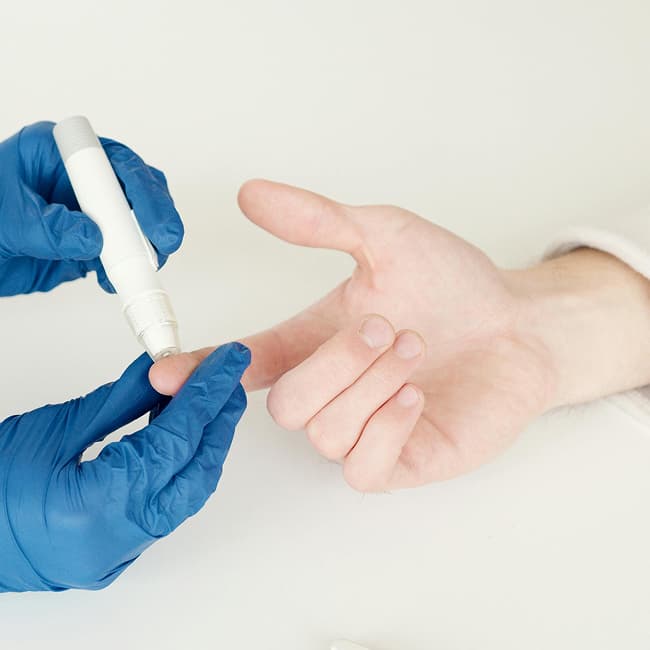
NSU is a diagnosis based on inflammation of the urethra without one specific identified cause, whereas chlamydia and gonorrhoea are infections caused by specific named organisms. Testing can help distinguish between these, since the right treatment depends on what’s actually responsible.
Yes. NSU can be caused by your body’s own bacteria moving into the urethra, including through everyday activities such as masturbation, without any new sexual partner being involved.
This varies, but most people notice discomfort passing urine and increased frequency relatively soon after the bacteria reach the urethra. If you’ve had unprotected sex with a new partner and develop these symptoms, it’s worth getting tested promptly.
No. Testing involves a simple urine sample and a painless genital swab, with results available within 48 hours.
A short course of antibiotics clears the infection in the great majority of cases. We’ll explain exactly what’s prescribed and how to take it during your consultation.
Yes, it’s important to avoid sex until your treatment is complete, to avoid passing the infection to a partner or reinfecting yourself.
Yes, particularly any partner you’ve been intimate with recently, since bacteria responsible for NSU can be passed between partners even when neither has obvious symptoms.
It’s possible, particularly with continued exposure or if a partner hasn’t also been tested and treated where appropriate. If symptoms return, it’s worth being retested rather than assuming it’s the same untreated infection.
While NSU itself is usually straightforward to treat, leaving any urethral infection unaddressed isn’t advisable, since underlying causes can sometimes lead to ongoing discomfort or other complications. Prompt testing and treatment is the simplest path.
Yes, unprotected oral sex can result in NSU, since bacteria from the mouth or throat can be transferred into the urethra.



Wow! Dr. Dan was extremely knowledgeable and attentive to my health and well being. I’m so glad to have found him!

I have been going to Dr Wright for a number of years now. He is highly knowledgeable, compassionate, open minded and efficient, I couldn’t recommend him highly enough
I have been a patient of Doctor Dan for some time and continue to consult with him despite having left the UK. Dan has the enthusiasm and energy of a young man, whilst taking the holistic “physician” approach of an old school family doctor, equipped with the most modern insights and technology.
Dr Jain was great. Expert knowledge with practical advice
Schedule a consultation | Call: +44 (0)207 139 1833 | Email: info@thewrightpractice.com
101 Harley Street, London, W1G 6AH
Rated ★ ★ ★ ★ ★ from 197 Reviews