
The condition can be frustrating for both patients and clinicians because symptoms are often real and distressing, yet routine tests may repeatedly return normal results.
Chronic Pelvic Pain Syndrome (CPPS), sometimes referred to as chronic prostatitis or chronic prostatitis/chronic pelvic pain syndrome (CP/CPPS), is a common but often poorly understood condition that can cause persistent discomfort within the pelvis, genitals, perineum, lower abdomen or urinary tract.
Many patients initially assume they have an ongoing infection. However, whilst symptoms can closely resemble urethritis, prostatitis or a urinary tract infection, most individuals with CPPS have no evidence of active infection despite extensive investigation.
The condition can be frustrating for both patients and clinicians because symptoms are often real and distressing, yet routine tests may repeatedly return normal results.

Symptoms vary considerably from person to person but may include:
Symptoms may fluctuate over time, with periods of improvement followed by recurrence.

Not always.
Historically, many men with these symptoms were diagnosed with chronic prostatitis. We now recognise that most cases are not caused by bacterial infection within the prostate.
Whilst inflammation may sometimes be present, CPPS is generally considered a broader condition involving the pelvic floor muscles, nervous system and pain pathways rather than a straightforward infection.

The exact cause is not fully understood and likely differs between individuals.
Potential contributing factors include:
Many experts now view CPPS as a multifactorial condition, with symptoms often arising from an interaction between physical and psychological factors rather than a single underlying cause.

This is one of the most common questions patients ask.
The absence of abnormal test results does not mean that symptoms are imagined or psychological. Rather, it reflects the fact that CPPS is often not caused by a detectable infection or structural abnormality.
Many patients undergo repeated STI screens, urine cultures and urological investigations before the diagnosis is considered.
Understanding that normal results can coexist with genuine symptoms is often an important part of the recovery process.

There is no single test that confirms CPPS.
Diagnosis is based on:
The goal is to ensure that important conditions have been ruled out whilst identifying patterns that are consistent with chronic pelvic pain syndrome.

Management often requires a combination of approaches rather than a single treatment.
Depending on the individual, treatment may include:
Repeated courses of antibiotics are rarely helpful when infection has been excluded and may sometimes prolong uncertainty by reinforcing the belief that infection remains present.

Yes.
Although symptoms can sometimes persist for prolonged periods, many individuals experience significant improvement once the condition is recognised and managed appropriately.
Recovery often involves understanding the condition, addressing contributing factors and adopting a broader treatment strategy rather than focusing solely on infection.
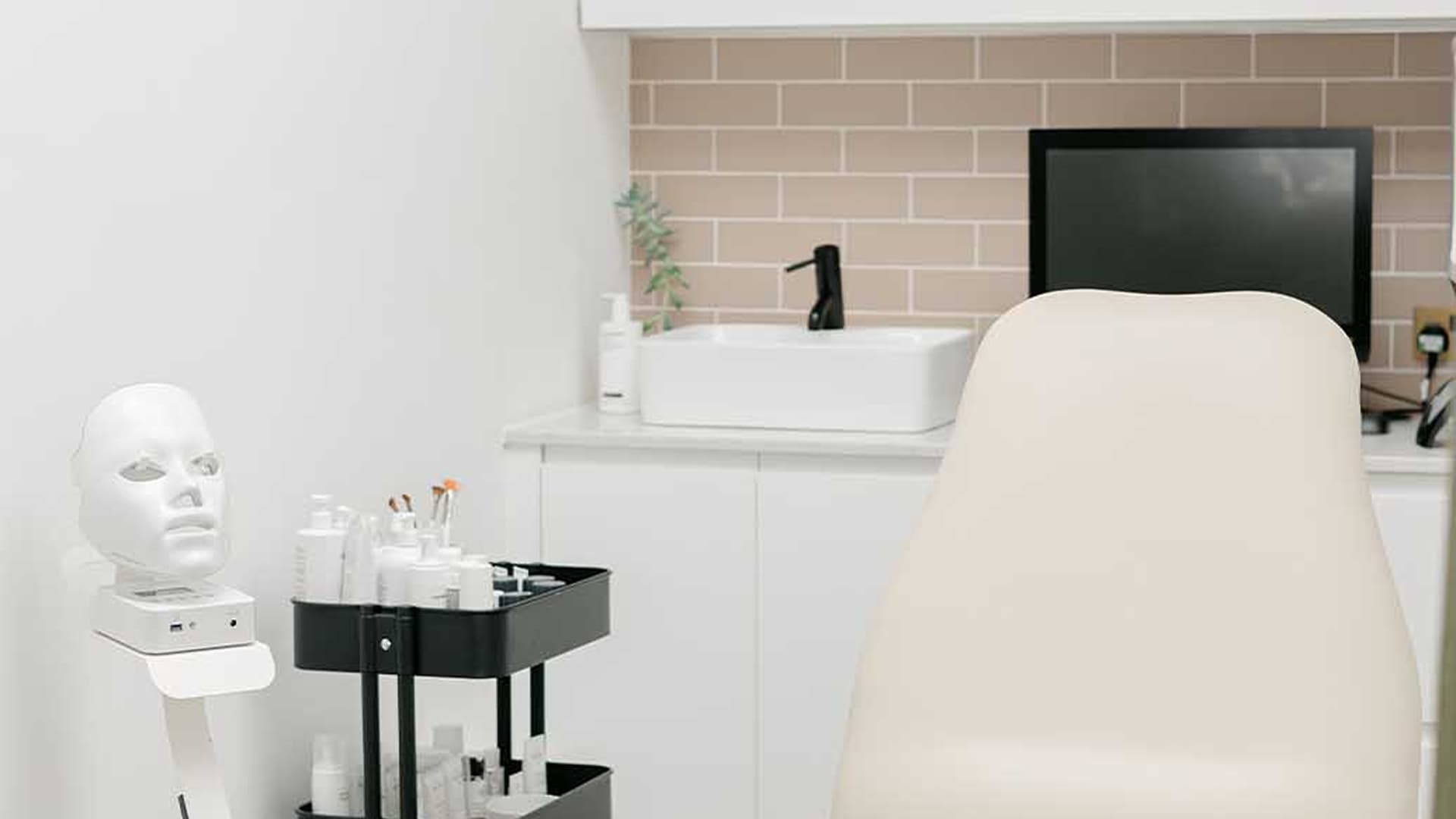
At The Wright Practice, we frequently see patients who have undergone multiple investigations and treatments without receiving a satisfactory explanation for their symptoms. We recognise that CPPS sits at the intersection of sexual health, urology, pain medicine and psychological wellbeing.
Our aim is to provide a clear diagnosis where possible, explain the mechanisms that may be contributing to symptoms and develop a practical, personalised management plan that helps patients regain confidence and quality of life.




Wow! Dr. Dan was extremely knowledgeable and attentive to my health and well being. I’m so glad to have found him!

I have been going to Dr Wright for a number of years now. He is highly knowledgeable, compassionate, open minded and efficient, I couldn’t recommend him highly enough
I have been a patient of Doctor Dan for some time and continue to consult with him despite having left the UK. Dan has the enthusiasm and energy of a young man, whilst taking the holistic “physician” approach of an old school family doctor, equipped with the most modern insights and technology.
Dr Jain was great. Expert knowledge with practical advice
Schedule a consultation | Call: +44 (0)207 139 1833 | Email: info@thewrightpractice.com
101 Harley Street, London, W1G 6AH
Rated ★ ★ ★ ★ ★ from 197 Reviews