
Symptoms often return shortly after treatment has finished, leading many women to feel trapped in a cycle of temporary improvement followed by relapse.
Bacterial vaginosis (BV) is the most common cause of vaginal discharge in women of reproductive age. Whilst many episodes respond well to treatment, recurrence is unfortunately common, and some women experience repeated symptoms over many months or even years.
Recurrent BV can be particularly frustrating. Symptoms often return shortly after treatment has finished, leading many women to feel trapped in a cycle of temporary improvement followed by relapse. The condition can affect confidence, intimate relationships and overall quality of life, particularly when episodes occur frequently.
Unlike many vaginal infections, BV is not considered a traditional sexually transmitted infection. Instead, it reflects a disruption of the normal vaginal microbiome, resulting in an imbalance between protective and non-protective bacteria.

The healthy vagina contains a complex community of bacteria, predominantly lactobacilli, which help maintain an acidic environment and protect against infection.
BV occurs when this balance is disrupted, allowing other bacteria to become more dominant. This alteration in the vaginal microbiome can lead to characteristic symptoms and an increased susceptibility to recurrence.
Importantly, BV is extremely common and does not imply poor hygiene or inappropriate sexual behaviour.

Common symptoms include:
Some women experience very mild symptoms, whilst others find episodes significantly affect daily life and confidence.

This remains one of the biggest challenges in managing BV.
Factors associated with recurrence may include:
In many women, there is no obvious explanation for recurrence, and repeated episodes can occur despite appropriate treatment.

BV is not generally classified as a sexually transmitted infection in the same way as chlamydia or gonorrhoea.
However, sexual activity appears to influence the vaginal microbiome, and recurrence is often linked to sexual relationships and changes in sexual practices. For this reason, the relationship between BV and sexual activity is more complex than a simple “yes” or “no” answer.

Diagnosis may be based on:
Confirming the diagnosis is important, particularly when symptoms are recurrent, as several other conditions can cause similar symptoms.

Treatment commonly involves antibiotics designed to restore a healthier balance within the vaginal microbiome.
For recurrent BV, management may include:
Research into recurrent BV continues to evolve, particularly regarding the role of the vaginal microbiome and strategies aimed at reducing recurrence.

Not necessarily.
Several conditions may mimic BV, including:
For this reason, recurrent symptoms should ideally be confirmed with appropriate testing rather than assuming every episode represents BV.
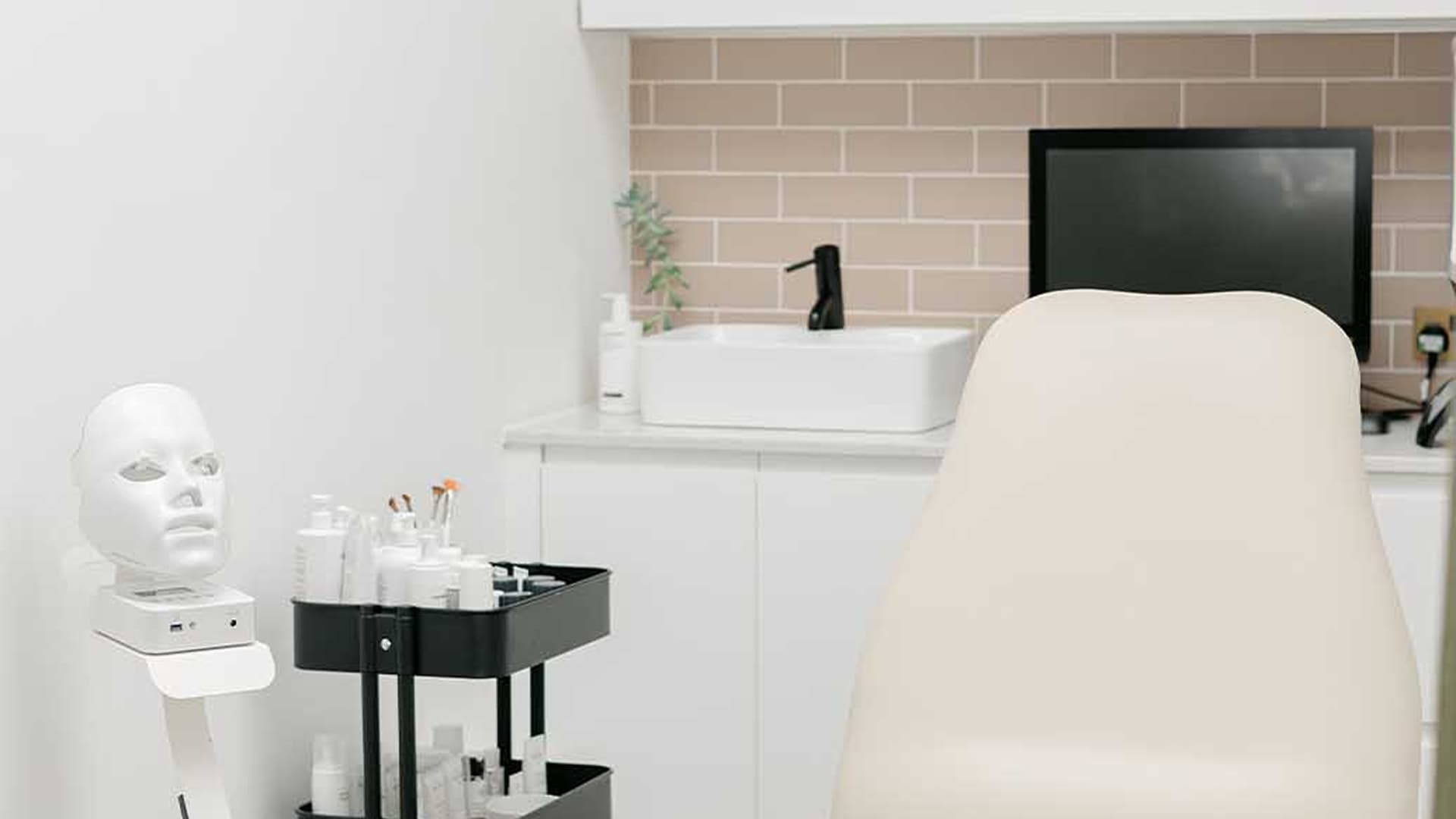
At The Wright Practice, we recognise that recurrent BV can be both physically and emotionally exhausting. Rather than simply treating each episode as it occurs, our aim is to understand the wider pattern of symptoms, confirm the diagnosis and develop a longer-term strategy to reduce recurrence.
This may involve consideration of vaginal microbiome health, lifestyle factors, sexual health considerations and emerging evidence-based treatment approaches. Our goal is to help patients break the cycle of repeated recurrence and regain confidence in their intimate health.




Wow! Dr. Dan was extremely knowledgeable and attentive to my health and well being. I’m so glad to have found him!

I have been going to Dr Wright for a number of years now. He is highly knowledgeable, compassionate, open minded and efficient, I couldn’t recommend him highly enough
I have been a patient of Doctor Dan for some time and continue to consult with him despite having left the UK. Dan has the enthusiasm and energy of a young man, whilst taking the holistic “physician” approach of an old school family doctor, equipped with the most modern insights and technology.
Dr Jain was great. Expert knowledge with practical advice
Schedule a consultation | Call: +44 (0)207 139 1833 | Email: info@thewrightpractice.com
101 Harley Street, London, W1G 6AH
Rated ★ ★ ★ ★ ★ from 197 Reviews