PEP, or post-exposure prophylaxis, is emergency medication that can prevent HIV infection after a possible exposure, but only if it is started in time. At The Wright Practice, we see patients at some of the most anxious moments of their lives, and our priority is getting you assessed and, where appropriate, started on treatment as quickly as possible. This page explains what PEP is, who it is for, and what to expect if you need it.
PEP is a short course of antiretroviral medication taken after a possible exposure to HIV, designed to stop the virus establishing a lasting infection in the body. After HIV enters the body, it takes time to spread from the initial site of exposure into the wider bloodstream and lymphatic system. PEP works by interrupting this process during that early window, before the virus has had the chance to take hold. It does not offer guaranteed protection, but when started promptly and taken correctly, it significantly reduces the risk of infection.
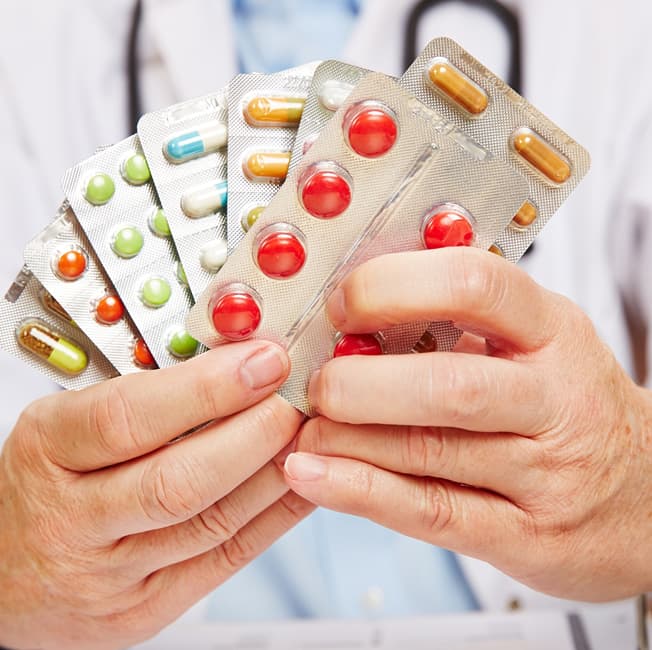
PEP needs to be started as soon as possible, ideally within 24 hours of a possible exposure, and no later than 72 hours. Every hour that passes reduces how effective the medication is likely to be, which is why PEP is treated as a medical emergency rather than a routine prescription. If you think you may have been exposed to HIV, whether through condomless sex, a condom failure, sharing needles or another route, contact us straight away rather than waiting to see how you feel.

PEP is intended for specific, higher-risk exposures rather than regular use. You may be a candidate for PEP if you have had condomless sex with a partner who is HIV positive with a detectable viral load or whose status is unknown, if a condom has failed during sex with someone at higher risk, or if you have shared injecting equipment. Healthcare workers with a needlestick or other occupational exposure may also need PEP. At your consultation, Dr Dan Wright or a member of our clinical team will talk through exactly what happened and assess whether PEP is appropriate for your situation.
PEP and PrEP both use HIV medication to prevent infection, but they are used at different times and for different reasons.
If you are at ongoing risk of HIV exposure, for example through regular condomless sex, PrEP is usually the more appropriate long-term option. PEP remains the right choice for a one-off or unexpected exposure, and the two are not interchangeable. Taking PrEP after a suspected exposure is not the same as taking PEP.
| Attribute | PEP | PrEP |
|---|---|---|
When it's used | After a possible exposure | Before ongoing potential exposure |
Purpose | Emergency prevention | Regular, planned prevention |
Course length | 28 days | Ongoing, for as long as risk continues |
Who it suits | Occasional or unexpected exposure | People with regular higher-risk exposure |
Your PEP course begins with an urgent consultation, where we take a detailed history of the exposure and carry out baseline blood tests, including an HIV test to confirm you are not already living with HIV. You will then be prescribed a 28-day course of antiretroviral medication, usually combining two or three drugs, taken daily without interruption. Follow-up appointments are built into the course to check how you are tolerating the medication and to arrange repeat HIV testing at the appropriate intervals after your exposure, since it can take some weeks for a test to reliably rule out infection.
Most people tolerate PEP well, though some mild side effects are common, including nausea, tiredness, headache and an upset stomach, particularly in the first few days. These usually settle as your body adjusts to the medication, and we can offer additional support, such as anti-sickness medication, if needed. Serious reactions are rare. It’s important to complete the full 28-day course even if you feel well, since stopping early reduces how effective the treatment can be.
PEP at The Wright Practice starts from £295, which includes your urgent consultation, baseline blood tests and initial medication. The exact cost depends on the specific antiretroviral regimen prescribed and the follow-up testing required, and we will talk you through this clearly at your appointment. Given the time-sensitive nature of PEP, we recommend contacting us directly for the fastest possible assessment rather than waiting for a routine booking.

If you think you may have been exposed to HIV in the last 72 hours, please contact us as soon as possible. Book a consultation with our team today.
PEP, or post-exposure prophylaxis, is a short course of HIV medication taken after a possible exposure to stop the virus establishing a lasting infection. It works by interrupting the virus during the early window before it spreads through the body, which is why timing is so important.
PEP should ideally be started within 24 hours of a possible exposure and must be started within 72 hours to have a reasonable chance of working. The sooner treatment begins, the more effective it is likely to be, so contact us as soon as possible rather than waiting.
Higher-risk exposures include condomless sex with a partner who is HIV positive or whose status is unknown, a condom failing during sex with someone at higher risk, sharing injecting equipment, or a needlestick injury. At your consultation, we will assess your specific situation to confirm whether PEP is appropriate.
PEP is emergency treatment taken after a possible exposure, while PrEP is taken regularly beforehand to reduce the risk of HIV during ongoing potential exposure. If you are at continued risk, PrEP is usually the more suitable long-term option, and the two treatments are not interchangeable.
A course of PEP lasts 28 days and must be taken every day without interruption to be effective. Stopping early, even if you feel well, reduces how well the medication can work.
The most common side effects are nausea, tiredness, headache and an upset stomach, usually in the first few days of treatment. These are generally mild and settle as your body adjusts, and we can offer additional support if you find them difficult to manage.
Yes. Follow-up HIV testing is arranged at set intervals after your exposure to confirm the result, since it can take some weeks for a test to reliably rule out infection. We will explain this schedule clearly as part of your treatment plan.
PEP starts from £295, which includes your urgent consultation, baseline blood tests and initial medication. The final cost depends on the specific regimen prescribed and any additional follow-up testing required.
PEP is available through NHS sexual health clinics and some emergency departments, though waiting times can vary. At The Wright Practice, we offer urgent private assessment and same-day access to treatment where clinically appropriate.
Your first appointment focuses on understanding what happened, assessing your level of risk, and carrying out baseline blood tests. If PEP is appropriate, we will start you on treatment straight away and arrange your follow-up schedule before you leave.
Rated ★ ★ ★ ★ ★ from 197 Reviews