If you feel flat and tired once the clocks go back, vitamin D is often the first thing people reach for. The answer is simpler than the supplement aisle suggests. For most UK adults, 10 micrograms (400 IU) a day through autumn and winter is enough, and more is not automatically better. At The Wright Practice, we explain who is most likely to run low, why taking too much can cause harm, and when a blood test is genuinely worth having.
A few quick answers before we go into more detail.

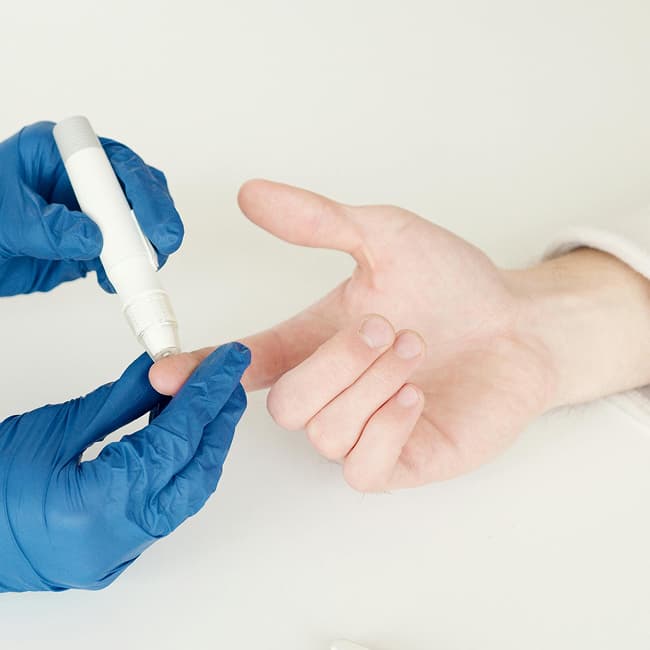
Sometimes. UK guidance does not recommend routine testing for healthy people with no symptoms, because the standard advice is simply to take 10 micrograms a day in winter. A test is more useful when the result could change what you do.
The test measures 25-hydroxyvitamin D, the form of vitamin D that best reflects what is stored in your body. In the UK, results are generally interpreted as follows.
| Blood level (25-hydroxyvitamin D) | Usual label | What it usually means |
|---|---|---|
Below 25 nmol/L | Deficient | Treatment is usually recommended, often with a short course of higher-dose vitamin D followed by a maintenance dose. |
25 to 50 nmol/L | Inadequate | May be low for some people. Whether to treat depends on your symptoms, risk factors and health conditions. |
Above 50 nmol/L | Sufficient | Enough for bone health in almost everyone. Usual advice is to keep up sensible sun exposure, diet and the standard winter supplement. |
The NHS recommends that adults consider taking a daily supplement containing 10 micrograms (400 IU) of vitamin D during autumn and winter. That amount is enough for most people, and it is also the dose used for pregnant and breastfeeding women.
Vitamin D supplements are labelled in either micrograms or international units (IU). One microgram equals 40 IU, so 10 micrograms is the same as 400 IU. Many supplements contain 25 or 50 micrograms, so check the label before you buy.

Your skin makes vitamin D when it is exposed to strong sunlight. From around October to March in the UK, the sun is too low in the sky for this to happen in any useful way, however much time you spend outside.
Food does not fill the gap easily either. Oily fish, egg yolks, red meat and fortified foods all contain some vitamin D, but the average UK diet provides only a few micrograms a day. This is why the advice to supplement in winter is one of the few cases where the NHS suggests most people consider a pill.

No. Many people assume that if 10 micrograms is good, 50 or 100 must be better. This is a common and understandable assumption, but it is not supported by the evidence for most healthy adults.
Taking too much vitamin D over a long period can cause calcium to build up in the blood, a condition called hypercalcaemia. This can weaken bones and damage the kidneys and heart. The NHS advises adults not to take more than 100 micrograms (4,000 IU) a day from all sources combined. Signs of taking too much can include excessive thirst, passing urine more often, nausea, constipation and feeling confused.
Some people are more likely to run low, and the NHS advises that they consider a daily supplement all year round rather than just in winter.


Vitamin D is rarely the whole story. If you have ongoing fatigue or aches, it makes more sense to look at several markers together, such as iron, thyroid function, blood sugar and other vitamins. Our private blood testing and biomarker assessment service is designed for exactly this, and a vitamin D level can be included alongside other relevant tests.
For a broader picture of your health, our Wellperson health assessments and preventative health services bring together your history, examination and targeted tests.
“Vitamin D is one of the few supplements where the standard advice really is simple,” says Dr Dan Wright. “For most people, 10 micrograms a day in winter is plenty. Where we add value is in working out who has a reason to go further, and in stopping people taking large doses they do not need. We would rather give you a clear answer than sell you a test.”
This measured approach runs across every consultation at our Harley Street clinic, including our private GP services.

The NHS advises that adults consider taking 10 micrograms (400 IU) a day from October to March. This is enough for most people, including those who are pregnant or breastfeeding, unless a doctor has advised a different amount.
They are two ways of measuring the same thing. One microgram of vitamin D equals 40 IU, so the recommended 10 micrograms is the same as 400 IU. Always check which unit a supplement uses before comparing doses.
Yes, and some people should. People with little sun exposure, darker skin, or certain medical conditions are advised to consider a daily supplement all year. Others can usually stop from spring to early autumn, when sunlight is strong enough to make vitamin D.
4,000 IU (100 micrograms) is the upper daily limit the NHS advises for adults, from all sources combined. It is not a target. Taking this amount long term without medical advice is not recommended, because it can raise calcium to harmful levels.
Yes. Long-term excessive intake can cause hypercalcaemia, where too much calcium builds up in the blood. Symptoms can include thirst, frequent urination, nausea, constipation and confusion, and it can affect the kidneys and heart.
Only if your tiredness is caused by low vitamin D, which is not always the case. Tiredness has many causes, including sleep, iron, thyroid function and stress, so it is worth looking at the whole picture rather than assuming a supplement will help.
Not usually. Most healthy adults can simply take the standard winter dose without testing. A test is more useful if you have symptoms, risk factors or a condition that affects absorption, which a clinician at The Wright Practice can help you judge.
In the UK, a level below 25 nmol/L is generally classed as deficient, 25 to 50 nmol/L as inadequate for some people, and above 50 nmol/L as sufficient. Your clinician will interpret your result alongside your symptoms and risk factors.
It is difficult. Oily fish, egg yolks, red meat and fortified foods contain some vitamin D, but the average UK diet provides only a few micrograms a day. This is why a winter supplement is recommended even for people who eat well.
It can. People with darker skin need more sun exposure to make the same amount of vitamin D, so they are more likely to run low. The NHS advises that people from African, African-Caribbean and South Asian backgrounds consider a supplement all year round.
Getting the right amount of vitamin D is more about being sensible than taking more. Book a consultation with The Wright Practice today to find out what, if anything, you need.
Rated ★ ★ ★ ★ ★ from 197 Reviews