
Sleep is often the first thing we give up when life gets busy. Late nights, young children, work deadlines, or simply struggling to switch off can all get in the way. Many of us don’t get the sleep our bodies need.
New research helps explain why this matters. Sleep is not just downtime for the brain. It is one of the body’s most important maintenance jobs.
You might think of sleep as rest, but your brain and body stay busy. During healthy sleep, your body:

Researchers have found a system called the glymphatic system. It becomes much more active while you sleep. This system clears waste that builds up in the brain during the day, including proteins called amyloid and tau. These proteins are linked to Alzheimer’s disease.
Scientists think that poor or disrupted sleep, over many years, may make this clean-up process less effective. It’s worth keeping this in perspective. Poor sleep does not cause dementia by itself. But the evidence suggests it may be one of several factors that affect brain health over time.
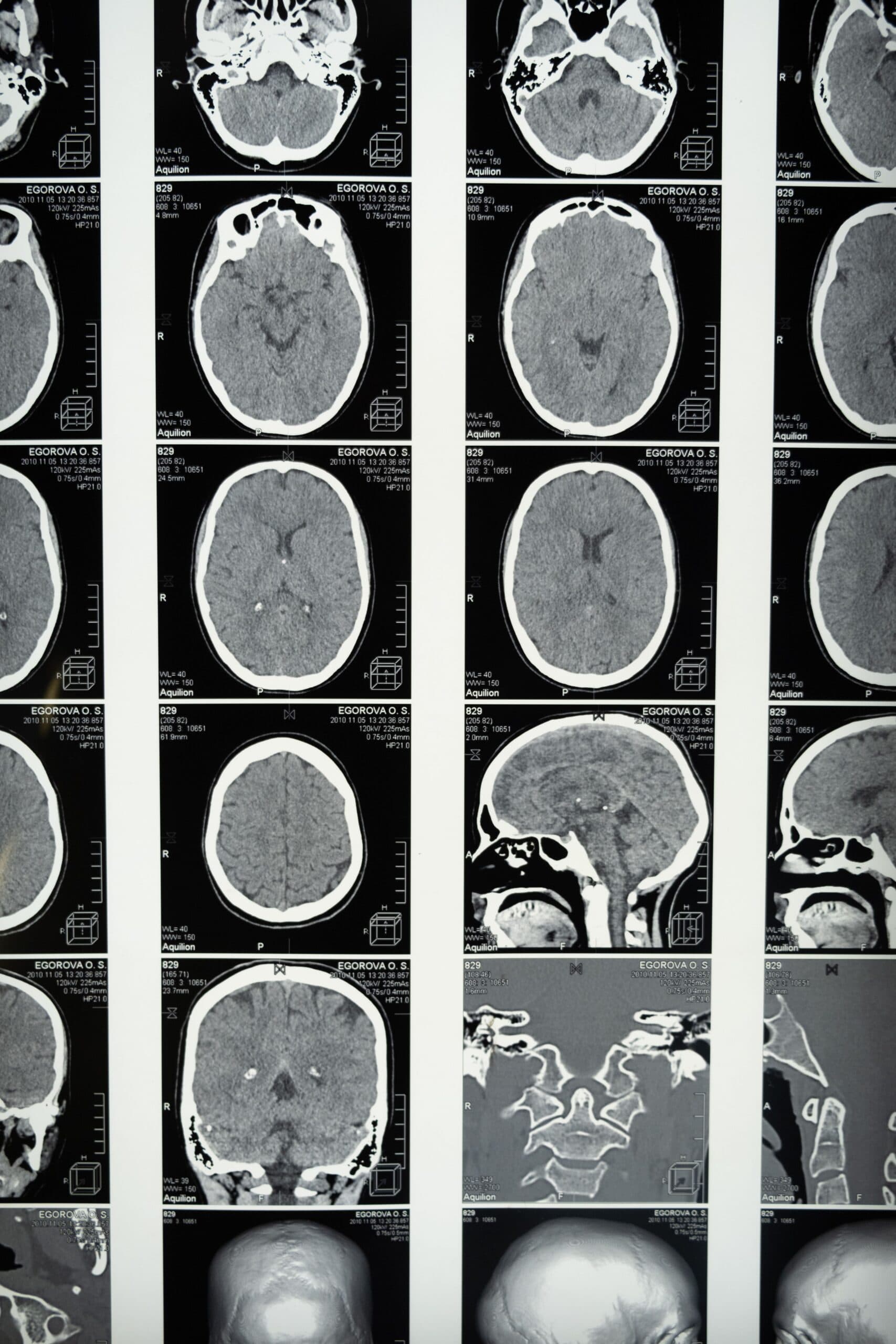
Several large studies have found a link between long-term poor sleep and a higher risk of memory and thinking problems later in life. A link is not the same as a cause.
Other factors have a much bigger effect on dementia risk, including:
The good news is that most of these risks can be changed.

Poor sleep doesn’t just affect the brain. Even a few nights of much shorter sleep can:
Over months and years, these changes may add to the risk of heart disease and type 2 diabetes.

Not necessarily. Sleep needs are different for everyone. Most adults do best on around 7 to 9 hours of good-quality sleep a night.
Instead of chasing a perfect number, ask yourself:
If you answer yes to several of these, your sleep quality may need some attention.
Many people worry if they wake up in the early hours. Sleep researchers believe brief waking overnight may be more normal than most people think. Before electric lighting became common, records suggest many people naturally slept in two blocks, with a short waking period in between.
If you wake in the night, try this:
Often, worrying about not sleeping causes more disruption than the waking itself.

Small, steady changes usually make the biggest difference.
Keep a regular schedule. Try to go to bed and wake up at similar times every day, including weekends.
Get morning daylight. Natural light soon after waking helps set your body clock.
Cut back on caffeine. Avoid it from early afternoon if you find it hard to sleep.
Drink less alcohol. Alcohol may help you feel sleepy at first, but it tends to disrupt sleep later in the night.
Stay active. Regular exercise improves sleep, though intense exercise right before bed may not suit everyone.
Build a wind-down routine. Reading, gentle stretching, meditation or calm music can all help signal that it’s time to sleep.
Keep your bedroom cool, dark and quiet. A slightly cooler room, around 16 to 18°C for many people, often helps.
Put your phone away. Blue light and constant notifications make it harder for your brain to wind down.

Occasional poor sleep is normal. But it’s worth talking to a healthcare professional if you:
Sometimes poor sleep is a sign of an underlying condition that can be identified and treated.

Sleep is now seen as one of the pillars of long-term health, alongside diet and exercise. Researchers are still learning exactly how sleep affects conditions like dementia and heart disease. But one message is already clear. Making good sleep a priority is one of the simplest, most effective things you can do for your future health.
If you’re concerned about your sleep, ongoing tiredness or a possible sleep disorder, we’re happy to help find the cause and build a personalised plan to support your long-term wellbeing.
Most adults need around 7 to 9 hours of good-quality sleep each night, though this varies from person to person. Rather than aiming for a specific number, it helps to notice how you feel: whether you wake refreshed, stay alert through the day, and don’t rely heavily on caffeine. If you consistently feel unrefreshed despite enough time in bed, this is worth discussing with a doctor at The Wright Practice.
Poor sleep does not cause dementia on its own. Several large studies have found an association between long-term sleep disruption and a higher risk of cognitive decline, but other factors, including high blood pressure, diabetes and inactivity, have a much greater effect on dementia risk. Prioritising good sleep is still a sensible part of protecting long-term brain health.
Yes, brief waking overnight is more common than many people realise and isn’t usually a sign of a problem. Historical records suggest that before artificial lighting, many people naturally slept in two blocks separated by a period of wakefulness. If you do wake, avoiding clock-watching and bright light usually helps you settle again more easily.
Yes. Even a few nights of significantly shortened sleep can raise cortisol levels, reduce insulin sensitivity, increase inflammation and raise blood pressure. Over time, these changes may add to the risk of heart disease and type 2 diabetes, which is why sleep is considered alongside diet and exercise as a pillar of long-term health.
The glymphatic system is a network in the brain that becomes much more active during sleep. It helps clear waste products that build up during the day, including proteins associated with Alzheimer’s disease. Scientists believe consistently poor sleep may reduce how efficiently this process works over many years.
A short nap can help with alertness in the short term, but it doesn’t fully replace the deeper, restorative stages of overnight sleep. If you regularly rely on naps to get through the day, this may be a sign that your night-time sleep needs attention rather than a long-term solution in itself.
It’s worth speaking to a healthcare professional if you struggle to sleep most nights for more than three months, feel excessively sleepy during the day, snore heavily or stop breathing during sleep, or notice your memory or concentration getting worse. Sometimes poor sleep is a symptom of an underlying condition that can be identified and treated, and the team at The Wright Practice is happy to help assess this.
Rated ★ ★ ★ ★ ★ from 197 Reviews