SHBG (sex hormone-binding globulin) is a protein made by the liver that carries testosterone and oestrogen around the blood. When it is low, more of those hormones are free to act, which can change how you feel and what your blood tests appear to show. At The Wright Practice, we explain what low SHBG can mean in men and women, what commonly causes it, and what the evidence does and does not support for raising it.
A few quick answers before we go into more detail.

SHBG binds tightly to testosterone and, more loosely, to oestrogen. Only the unbound (free) portion can act on your tissues, so SHBG helps set how much hormone is available at any moment. Our blog on high SHBG and active testosterone covers the opposite direction, where too much SHBG leaves too little free.
When SHBG is low, a larger share of your hormones is free. That can sound like a good thing, but it is not simply beneficial. Low SHBG is also an independent marker of insulin resistance and metabolic risk, which is why doctors treat it as a prompt to look further rather than as a reassuring result.

Several things lower SHBG, and they often overlap. The table below sets out the most common ones, what else you might notice, and how each is usually checked.
Insulin resistance is the most common driver. When the body needs more insulin to manage blood sugar, the liver tends to make less SHBG. Obesity, particularly around the waist, works through similar pathways. Thyroid status matters too, because an underactive thyroid lowers SHBG while an overactive one raises it.
| Possible cause | Other clues you may notice | How it is usually checked |
|---|---|---|
Insulin resistance, prediabetes or type 2 diabetes | Central weight gain, tiredness after meals, raised blood sugar | HbA1c (average blood sugar) and fasting glucose |
Excess weight, especially around the waist | Raised blood pressure, high triglycerides, low HDL cholesterol | Waist measurement, blood pressure, lipid profile |
Fatty liver | Often no symptoms, sometimes mildly raised liver enzymes | Liver function tests (ALT), then further assessment |
Underactive thyroid | Tiredness, feeling cold, dry skin, weight gainOften no symptoms, sometimes mildly raised liver enzymes | Thyroid function test (TSH, often free T4) |
Androgen or steroid exposure | Use of testosterone, anabolic steroids or long-term steroid tablets | Medication history and hormone profile |
Polycystic ovary syndrome (PCOS) | Irregular periods, acne, excess hair growth | Clinical assessment, hormone profile, ultrasound if needed |
Low SHBG does not cause symptoms by itself. The symptoms people notice come from the underlying cause, or from the hormone balance it changes. That is why symptoms are never used on their own to make the diagnosis.
Many people have no symptoms and only find out from a blood result.

This is where interpretation matters most. Low SHBG can make total testosterone look low, even though free testosterone, the part that acts on the body, is adequate. Looking at total testosterone alone can lead to the wrong conclusion in both directions. Our blog on what decreases testosterone levels sets out the wider factors that influence results.
A clear picture comes from total testosterone, SHBG and a calculated or measured free testosterone together, tested in the morning and repeated if the first result is borderline.
The honest answer is that SHBG is usually raised by treating the cause, not by targeting the number. Where an underlying cause is found, the following are the best-supported approaches.
Changes usually take two to three months to show. Supplements are widely promoted for this, but the evidence that they reliably raise SHBG is thin, so we would not recommend relying on them. Raising SHBG is also not always the goal. If your free testosterone is normal and you feel well, there may be nothing to fix.

Hormone treatment is only considered after a full assessment. You can read about our approach to male hormone therapy and how it is monitored.

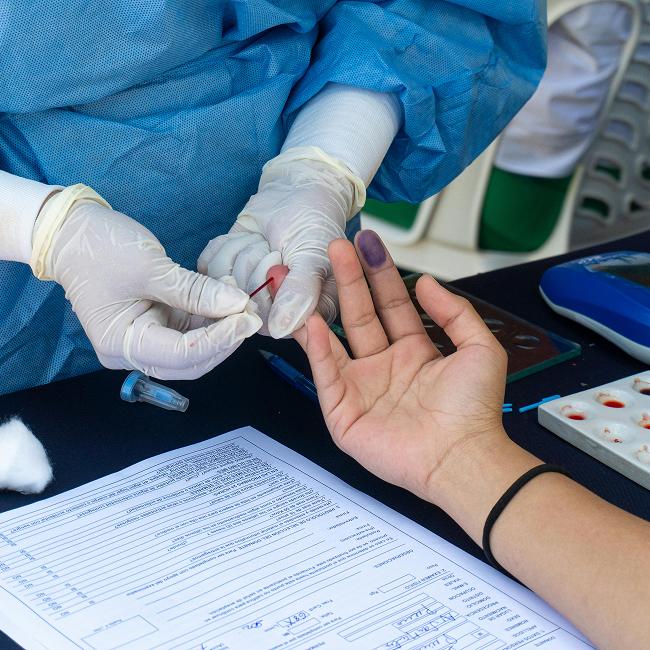
SHBG is measured with a simple blood test, often alongside total testosterone, free testosterone and other markers such as HbA1c, liver function and thyroid function. Our private blood testing and biomarker assessment service lets your doctor review these together rather than one number at a time.
Hormone levels vary through the day, so testing is usually done in the morning, and borderline results may be repeated.
A blood test is very low risk. You may have a small bruise or tenderness where the sample is taken, and a few people feel light-headed, which is worth mentioning beforehand.
The more important safety point is about what to avoid. Taking testosterone, anabolic steroids or unregulated supplements to change your hormone numbers can lower SHBG further, affect fertility and mask other problems. We prefer to find and treat the cause first.
“Low SHBG is rarely the problem itself, it is a clue,” says Dr Dan Wright. “I would rather find out whether there is insulin resistance, a thyroid issue or a medicine behind it than chase the number. If your free hormone levels are normal and you feel well, I will tell you so.”
This approach runs across every consultation at our Harley Street clinic.

A low SHBG result means less of your sex hormones are bound in the blood, so a larger share is free and active. By itself it is not a diagnosis. It is a clue that is read alongside your symptoms, total and free testosterone, and metabolic markers such as blood sugar.
Not on its own, but it is worth understanding. Low SHBG is linked with insulin resistance, fatty liver and a higher future risk of type 2 diabetes, so doctors often use it as a prompt to check metabolic health. A clinician at The Wright Practice will look at the whole picture rather than the number alone.
It can make total testosterone look low even when free testosterone is adequate. Because symptoms follow the free hormone, interpretation matters, and a low total result should not be taken at face value. Repeat morning testing, free testosterone and SHBG together give a clearer view.
SHBG responds slowly. Changes from weight loss, better insulin sensitivity or treating a thyroid problem are usually seen over about two to three months. Your clinician can repeat the test at a sensible interval rather than too soon.
Often, yes. SHBG tends to fall as weight and insulin resistance rise, and to rise again with weight loss and improved insulin sensitivity. How much it changes varies from person to person, and the size of the change is hard to predict.
There is little reliable evidence that supplements raise SHBG, and some products make claims that go well beyond the research. It is better to identify the underlying cause first. If you are considering a supplement, talk to a doctor before you start.
Yes. Testosterone, anabolic steroids and glucocorticoid (steroid) tablets can all lower SHBG. Your clinician will take a full medication history, because treatment that changes SHBG can also change how your results should be read.
In women, low SHBG can mean more free androgens such as testosterone. It is often seen with PCOS, insulin resistance and excess weight, and may go along with irregular periods, acne or excess hair growth. A proper assessment looks at the cause rather than the number.
In terms of binding, yes, but the causes and the questions to ask are different. High SHBG tends to point towards conditions such as an overactive thyroid or high oestrogen, while low SHBG points more often towards metabolic causes. Each needs its own investigation.
It is worth testing if you have symptoms such as low energy, low libido, irregular periods or acne alongside unexplained results, or if you are being assessed for low testosterone or PCOS. A doctor at The Wright Practice can decide whether SHBG belongs in your blood panel.
A low SHBG result deserves a proper explanation, not a quick fix. Book a consultation with The Wright Practice today to find out what is behind it.




Rated ★ ★ ★ ★ ★ from 197 Reviews