
Feeling tired in winter is common. Dark mornings, colder weather and busy schedules all take their toll. But tiredness that lingers for weeks, or that sleep does not seem to fix, is a symptom worth taking seriously, not a personality trait you simply have to live with. At The Wright Practice, we explain the medical causes of persistent fatigue, which warning signs matter, and how a proper assessment finds the cause rather than guessing.
A few quick answers before we go into more detail.
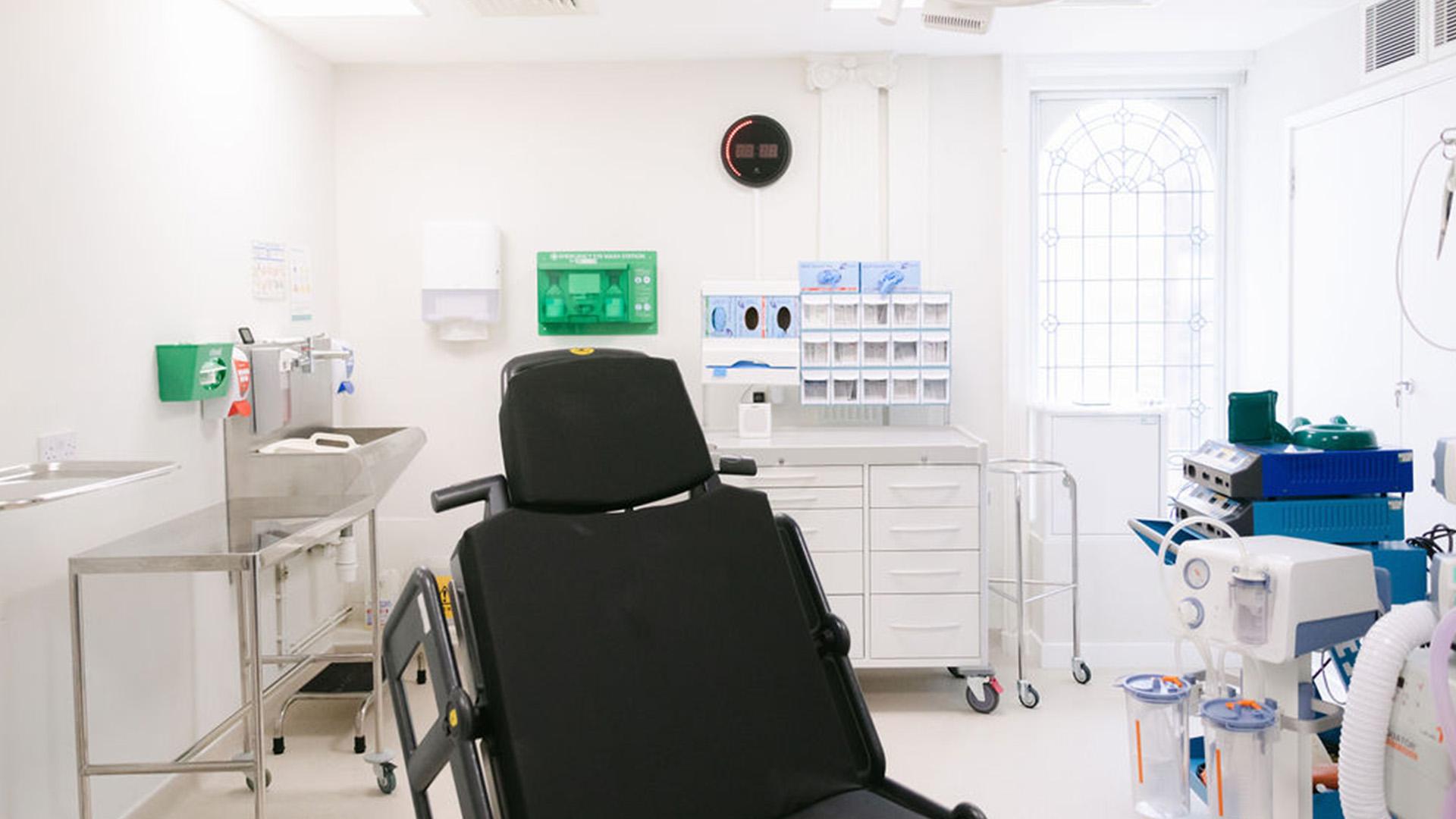
A GUM clinic is a service that specialises in diagnosing and treating sexually transmitted infections. Most NHS clinics now describe themselves as sexual health clinics because they also provide contraception, vaccination and HIV prevention.
A private sexual health clinic offers the same core care, delivered in a different way. At The Wright Practice, you book directly with a doctor, who plans your testing around your history. You can see how this works in our sexual health service.
| Possible cause | Other clues you may notice | How it is usually checked |
|---|---|---|
Iron deficiency or anaemia | Breathlessness on exertion, pale skin, heavy periods, feeling cold | Full blood count and ferritin (iron stores |
Underactive thyroid | Weight gain, feeling cold, dry skin, low mood | Thyroid function blood test (TSH, often free T4) |
Low vitamin B12, folate or vitamin D | Aching muscles, pins and needles, sore tongue, low mood | Specific vitamin blood tests |
Type 2 diabetes or raised blood sugar | Thirst, passing urine more often, weight change | HbA1c (average blood sugar over about three months) |
Sleep apnoea | Loud snoring, gasping at night, unrefreshing sleep, daytime sleepiness | Clinical assessment, then a sleep study if needed |
Low mood, anxiety or burnout | Poor sleep, loss of interest, feeling overwhelmed | Clinical conversation and screening questions |
Demand for NHS sexual health care is high, and experience varies a good deal by area. A mystery shopper study carried out across Great Britain in late 2022 found that about half of clinics contacted by phone could offer a face-to-face appointment, with average waits of around two weeks. Services have changed since then, so your local picture may be better or worse.
Some people also find that they see a different clinician each visit, or that a standard screening pathway does not fit their situation. If you have ongoing symptoms, a specific exposure, or simply want more time, these can be real frustrations.

The table below sets out the main practical differences. It is a guide rather than a verdict, because the best option depends on your own priorities.
| What matters | NHS sexual health clinic | Private clinic (The Wright Practice) |
|---|---|---|
Cost | Free to everyone, including testing, treatment and contraception | Paid for by you, so cost is a real consideration |
Getting seen | Open access, no GP referral needed. Waiting times and drop-in availability vary by area and demand | Appointments booked directly with a doctor, with the date and time chosen by you |
Privacy | Confidential. Your GP is not told without your permission | Confidential. Information is not shared without your permission |
How testing is chosen | Often a standard screen based on a clinic pathway and your answers | Tests chosen and timed to your history, exposure and symptoms by a named doctor |
Continuity | You may see different clinicians on different visits | The same doctor can follow you through results, treatment and repeat testing |
Range of care | Very broad: STI care, contraception, PrEP, PEP, vaccines and support after assault | Broad and more specialist: persistent symptoms, second opinions and complex cases, alongside screening |
Partner notification | Well established, and can be done without naming you | Advice and support for telling partners, led by your doctor |
Free, open-access care is the better choice for many people. If cost is a concern, you are after routine screening or contraception, or you have no particular worries, an NHS clinic is a sensible place to start.
Choosing a private clinic does not mean leaving the NHS. Many patients use both, for example NHS clinics for contraception and a private doctor for a second opinion.
A private clinic tends to help most when you want choice, continuity or a closer look at a problem that has not been solved.
For these situations, our complex sexual health cases and second opinions service and our guide to persistent symptoms despite negative tests explain what a closer review involves.


The cost depends on the consultation and the tests that are appropriate for you. This typically includes your appointment, the laboratory tests recommended and a follow-up discussion of your results. Book a consultation for a tailored quote based on your circumstances.
“The NHS does an enormous amount of good in sexual health, and I would never tell anyone to avoid it,” says Dr Dan Wright. “What we offer is time, continuity and a tailored plan. If your situation is straightforward, I will say so. If it is not, we can look at it properly and in confidence.”
This approach runs across every consultation at our Harley Street clinic.

GUM stands for genitourinary medicine, the medical specialty that diagnoses and treats sexually transmitted infections. Many NHS clinics now call themselves sexual health clinics and also offer contraception. A private clinic such as The Wright Practice is a doctor-led sexual health service, so it is worth checking what a clinic actually offers.
Neither is better in every situation. NHS clinics offer free, confidential, broad care, while a private clinic offers choice of appointment, a named doctor and more tailored testing. The right one depends on your priorities, your symptoms and your budget.
No. NHS sexual health clinics are open access, so you can usually book or attend yourself without seeing your GP. Some clinics run drop-in sessions, but it is sensible to call first to check.
Not unless you agree. At The Wright Practice, your information is handled confidentially and is only shared with your permission. If you would like your GP to know, we can write to them, and the choice is yours.
Timing depends on the infection, not on whether the clinic is private or NHS. Each infection has its own window period, so a good clinic will tell you when a test is reliable and when to repeat it. Your doctor can explain this for your specific exposure.
This is a common reason people seek a second opinion. Standard screening does not look for everything, and some symptoms have other causes. A doctor at The Wright Practice can review your history, repeat or extend testing where appropriate, and look at non-infective causes.
Yes. Many people use the NHS for routine screening and contraception and a private clinic for a second opinion, a quicker appointment or ongoing specialist care. There is no rule against it, and it is worth sharing results between them so nothing is repeated unnecessarily.
A private clinic can advise you on how to tell partners and can support you through it. NHS clinics have a formal partner notification service that can contact partners without naming you. Ask your doctor what is available and what would suit your situation.
Bring a list of your symptoms, the dates of any exposure, and details of any previous tests or treatment. If you have results from an NHS clinic, bring those too. Your doctor can then avoid repeating tests and focus on what is still unanswered.
You can book a consultation online or contact the team through the website. Appointments take place at 101 Harley Street in London, and the doctor will discuss your history before recommending any tests.
The right clinic is the one that fits your situation, and many people use both. Book a consultation with The Wright Practice today if you would like a confidential conversation about your options.




Rated ★ ★ ★ ★ ★ from 197 Reviews