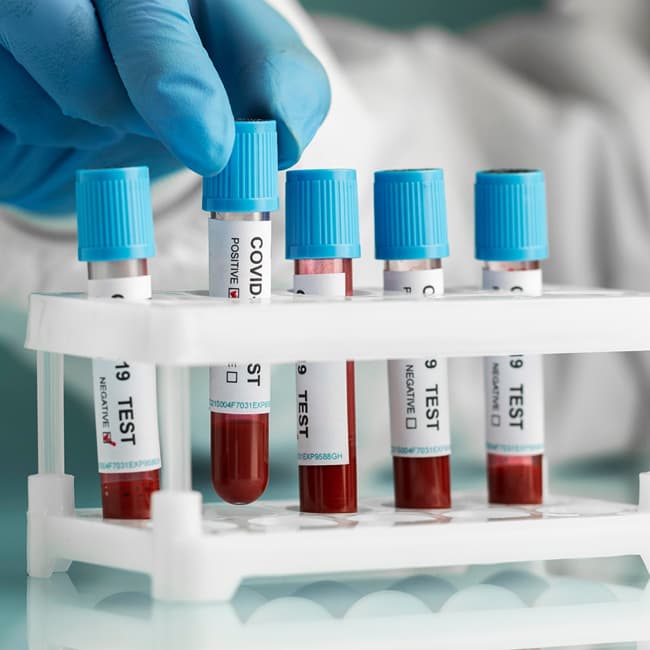
HIV, hepatitis B and hepatitis C are spread through some of the same routes, including unprotected sex and contact with infected blood. Because of this overlap, testing for all three with a single blood draw is now standard practice in sexual health medicine. At The Wright Practice, we explain why a combined panel often makes more clinical sense than testing for each infection separately, and what to expect from the process.
A few quick answers before we go into more detail.
HIV, hepatitis B (HBV) and hepatitis C (HCV) are all blood-borne viruses, meaning they are carried in blood and certain other body fluids. HIV attacks the immune system, while hepatitis B and C primarily affect the liver. Despite affecting different organs, they share several transmission routes, including unprotected vaginal, anal or oral sex, sharing needles or drug equipment, and, less commonly in the UK today, contact with infected blood.
Because someone at risk of one of these infections is often at risk of the others, health bodies including the CDC and UK guidance from BHIVA and BASHH recommend considering all three together rather than in isolation. A person newly diagnosed with HIV, for example, is also routinely screened for hepatitis B and C, since co-infection is well recognised and changes how each condition is managed.
If you’re mainly weighing up hepatitis risk on its own, our guide to hepatitis A, B and C covers how each type is transmitted, vaccinated against and treated in more detail.

Testing for HIV, hepatitis B and hepatitis C together means the shared risk factors are addressed in a single visit, rather than requiring separate consultations for each infection. This is more convenient for the patient and reflects how these viruses are actually transmitted.
There is also a clinical reason. Someone living with HIV who also has undiagnosed hepatitis B or C is more likely to experience faster liver disease progression and complications from certain HIV medications. Identifying all three at once allows a clinician at The Wright Practice to plan the right treatment or referral pathway from the outset, rather than discovering a co-infection later.
For a broader screen that also covers chlamydia, gonorrhoea and syphilis, see our comprehensive STI screening service, which can be combined with the HIV and hepatitis panel at the same appointment.
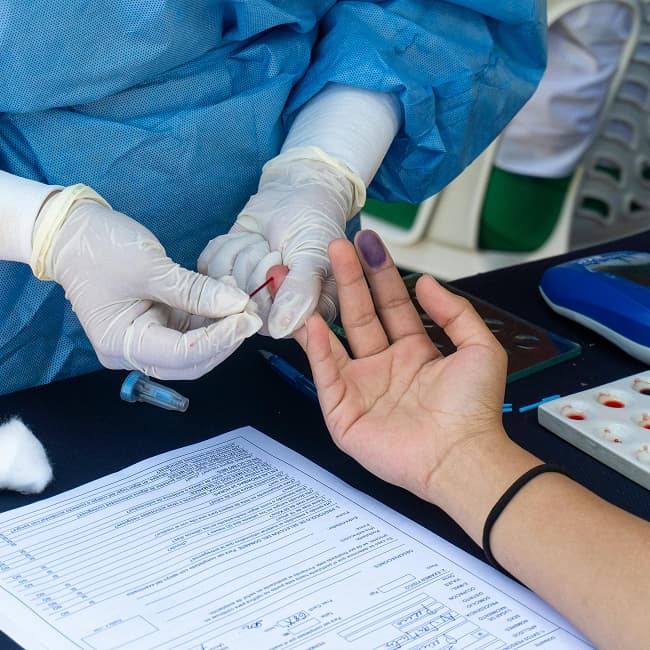
A combined HIV, hepatitis B and C panel involves a single blood sample, taken in the same way as a routine blood test. The sample is sent for laboratory analysis, where it is checked for markers specific to each infection.
No special preparation is usually needed. The appointment itself takes only a few minutes, and your clinician will talk through your personal risk and the right time to test before the sample is taken.
There is more than one way to test for HIV specifically, and the right choice depends on timing and personal risk. Our page on choosing the right HIV test explains the difference between rapid, laboratory and fourth-generation testing.
A window period is the time between exposure to an infection and the point at which a test can reliably detect it. Testing too early can produce a falsely reassuring result, which is why timing matters as much as the test itself.
Because the three window periods do not line up exactly, your clinician at The Wright Practice will advise whether a single test is enough or whether a repeat test is worth arranging to fully rule out infection.
For a closer look at HIV timing specifically, see our page on understanding HIV window periods, which sets out how test type affects how soon you can test with confidence.

Combined testing is suitable for most sexually active adults, particularly anyone who wants a clear, one-appointment picture of their blood-borne virus status.
Not sure whether your own circumstances count as higher risk? Our guide to assessing your HIV risk can help you decide how urgently, and how often, you should be testing.
If you’ve had a recent high-risk exposure, read our page on HIV testing following PEP before booking a combined panel, as the correct testing timeline is different. If you’re already on PrEP, our guide to HIV testing whilst taking PrEP explains how often routine screening is recommended.

Most results from a combined HIV, hepatitis B and C panel are available within 24 to 48 hours. Your clinician will contact you to discuss the findings, whether the panel is clear or whether further tests are needed.
A reactive or positive result on an initial screening test does not automatically confirm infection. HIV screening results are always confirmed with a second test, and a positive hepatitis C antibody result is followed by an RNA test to check whether the virus is still present, since some people clear the infection naturally. If any result does confirm an infection, your clinician will talk through treatment options, ongoing monitoring, and, where relevant, how to inform partners in confidence.

Combined testing is a standard blood draw, and the risks involved are the same as any routine blood test. Most people experience nothing more than brief discomfort at the injection site.
Waiting for results can understandably cause anxiety, particularly after a specific exposure. This is a normal reaction, and our team is happy to talk through your concerns at any point before or after testing.
Combined HIV, hepatitis B and C testing at The Wright Practice, Consult to us for the updated pricing. This typically includes your consultation, the blood draw, laboratory analysis and a follow-up discussion of your results with a clinician. If you would like this combined with a wider STI screen, or with hepatitis A testing ahead of travel or vaccination, we can build a package around your specific needs. Book a consultation for a tailored quote based on your circumstances.
It is a single blood test that screens for all three blood-borne viruses at once, rather than three separate tests. It’s a standard part of sexual health screening and is offered as part of combined testing at The Wright Practice.
No fasting is required for HIV, hepatitis B or hepatitis C testing. If you are having other blood tests at the same appointment, such as cholesterol or glucose, your clinician will let you know if fasting applies to those specific tests.
This depends on the infection. HIV testing is around 99% accurate from six weeks after exposure, hepatitis B is usually detectable from one to twelve weeks, and hepatitis C antibody testing is generally most reliable from around twelve weeks. Your clinician can advise on the best testing schedule for your situation.
You are always in control of what you share. However, giving your clinician an honest picture of your risk helps them recommend the right tests and timing. Everything discussed at The Wright Practice is confidential.
Modern antiviral treatment cures the majority of hepatitis C infections, usually within eight to twelve weeks of treatment. If your combined panel identifies hepatitis C, your clinician will explain the confirmatory testing and treatment pathway available to you.
HIV testing looks for antibodies and, in fourth-generation tests, an antigen called p24. Hepatitis B and C testing look for different markers specific to each virus, including surface antigen for hepatitis B and antibodies for hepatitis C. All three are checked from the same blood sample in a combined panel.
Yes. Regular HIV testing is a routine part of PrEP monitoring, and many clinics, including The Wright Practice, combine this with periodic hepatitis B and C screening, particularly if hepatitis B immunity has not been confirmed.
Testing at The Wright Practice is confidential and handled in line with standard medical confidentiality. Results are not shared with third parties, including employers or insurers, without your consent.
Home kits can be useful for convenience, but a blood draw taken and interpreted in clinic, as offered at The Wright Practice, allows your clinician to factor in your personal risk, window periods and any symptoms before deciding on the right combination of tests.
Each result is assessed on its own. A positive result for one infection does not mean you have the others, and your clinician will explain next steps for that specific infection, including any confirmatory testing and treatment options.
Combined HIV, hepatitis B and C testing gives you a clearer, faster picture of your sexual health in a single appointment. Book a consultation with The Wright Practice today to arrange your test.
Rated ★ ★ ★ ★ ★ from 197 Reviews