
Learn more about Hepatitis A, B & C testing at The Wright Practice, Harley Street
Hepatitis A is a viral infection that affects the liver. Unlike hepatitis B, it does not cause chronic infection, but it can result in a significant acute illness lasting several weeks or even months. Symptoms may include fatigue, nausea, abdominal discomfort, loss of appetite, jaundice and prolonged recovery times.
Although often associated with travel medicine, hepatitis A also has important relevance within sexual health. Outbreaks continue to occur among certain populations, particularly men who have sex with men, and vaccination remains one of the most effective ways of preventing infection.
Hepatitis A is caused by the hepatitis A virus (HAV), which infects the liver. Following exposure, symptoms may take several weeks to develop and can range from mild illness to severe hepatitis requiring hospital admission.
Many younger individuals experience relatively mild symptoms, whilst illness tends to be more severe in older adults. Although recovery is usually complete, the infection can cause significant disruption to work, travel and daily life.
Unlike hepatitis B, hepatitis A does not usually result in long-term liver infection. However, prevention remains important because the illness can be unpleasant and occasionally severe.
Hepatitis A is primarily spread through the faecal-oral route. This means infection occurs when microscopic amounts of infected stool are ingested.
Transmission may occur through:
Because transmission does not require penetrative sex, individuals may not always recognise their risk.
Hepatitis A vaccination may be particularly beneficial for:
Vaccination is frequently recommended as part of a comprehensive sexual health and travel health strategy.

Hepatitis A vaccination is highly effective. Most individuals develop strong immunity after vaccination, with protection lasting many years.
The vaccine has dramatically reduced rates of infection in countries where vaccination programmes have been widely implemented and remains one of the most successful preventative interventions in travel and sexual health medicine.
Most adults receive two doses of vaccine, with the second dose administered several months after the first.
The first dose provides substantial protection, whilst the second dose offers long-term immunity.
For individuals requiring rapid protection before travel, vaccination can often still provide meaningful benefit even when administered relatively close to departure.

The hepatitis A vaccine has been used extensively worldwide and has an excellent safety record.
Most side effects are mild and temporary and may include:
Serious side effects are extremely uncommon.
Whilst hepatitis A does not usually cause chronic liver disease, it can result in a prolonged and debilitating illness that is entirely preventable in many cases.
For individuals at increased risk through travel, lifestyle or sexual exposure, vaccination offers a safe and highly effective means of protection.

Hepatitis B is a viral infection that affects the liver and is one of the most common infectious diseases worldwide. Whilst many people who acquire hepatitis B recover completely, some individuals develop chronic infection, which can lead to long-term liver inflammation, cirrhosis, liver failure and liver cancer.
Because hepatitis B can be transmitted sexually, vaccination remains one of the most effective preventative interventions available within modern sexual health medicine.
Hepatitis B is caused by the hepatitis B virus (HBV), which infects the liver. Following infection, some individuals experience symptoms such as fatigue, nausea, abdominal discomfort, jaundice and flu-like illness. However, many people develop no symptoms at all and remain unaware that they have been infected.
Whilst most healthy adults clear the virus naturally, a proportion develop chronic infection, meaning the virus remains present in the body for many years. Chronic hepatitis B can cause progressive liver damage and significantly increases the risk of cirrhosis and liver cancer.
For this reason, prevention remains particularly important.
Hepatitis B is transmitted through contact with infected blood and bodily fluids.
Common routes of transmission include:
The virus is considerably more infectious than HIV and can survive outside the body for prolonged periods under certain circumstances.
Hepatitis B vaccination is routinely recommended for a wide range of individuals and is particularly important for those at increased risk of exposure.
Vaccination may be especially beneficial for:
Many adults are uncertain whether they have previously been vaccinated. In some cases, blood testing can help determine whether immunity is present.

Hepatitis B vaccination is highly effective. Following completion of the recommended course, the vast majority of individuals develop protective immunity against infection.
Protection is typically long-lasting and, for most healthy individuals, provides many years of protection. In higher-risk groups, post-vaccination blood testing may sometimes be recommended to confirm an adequate immune response.
The introduction of hepatitis B vaccination programmes has dramatically reduced rates of infection and associated liver disease worldwide.
The vaccination schedule depends on an individual’s age, risk profile and clinical circumstances.
Several schedules are available, including accelerated courses for individuals requiring more rapid protection, such as those travelling imminently or requiring urgent sexual health protection.
We can advise on the most appropriate schedule during consultation and arrange follow-up doses where required.

The hepatitis B vaccine has been used worldwide for decades and has an excellent safety record.
Most side effects are mild and temporary and may include:
Serious side effects are extremely uncommon.
Unlike many infections, hepatitis B has the potential to cause lifelong infection and significant liver disease. Fortunately, it is also one of the most preventable infectious diseases.
Vaccination offers highly effective protection against a virus that can otherwise have serious long-term consequences. For many individuals, it represents one of the most important preventative measures available within sexual health and travel medicine.

Hepatitis C is a viral infection of the liver. Unlike hepatitis A and B, there is currently no vaccine available, which makes testing and prevention through safer practices particularly important.
Hepatitis C can be spread sexually, particularly in association with other infections, though it can also spread through contamination of the medical blood supply, sharing needles for injecting drugs, or sharing straws or rolled banknotes when snorting drugs. Tattooing or body piercing with non-sterile instruments can also transmit the virus.
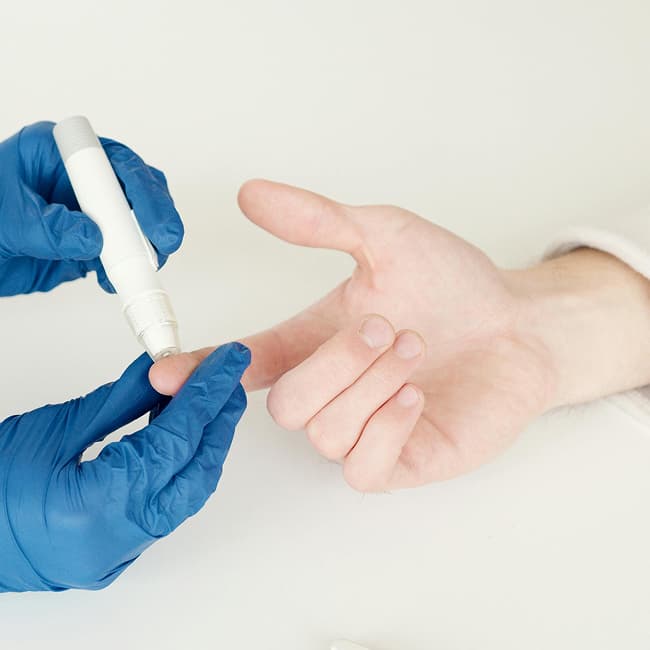
Testing involves blood samples to check liver function and to look directly for hepatitis C. Treatment with modern antiviral medication can cure the large majority of cases, though whether treatment is offered, and which medication is used, depends on how unwell the person is and which type of hepatitis C virus they have. Dr Dan or Dr Susan Jain will discuss the most appropriate next steps if a hepatitis C infection is identified.

Hepatitis A, B and C each carry a different level of long-term risk, and patients deserve a clear explanation of which applies to them rather than a generic liver panel. Dr Dan Wright and Dr Susan Jain combine confidential testing with straightforward guidance on vaccination, treatment and next steps, so patients understand both their result and what, if anything, needs to happen next.
No. None of the three can be caught through hugging, kissing, sharing cups or cutlery, or using the same toilet seat. Hepatitis A spreads mainly through contaminated food, water or faecal-oral contact, while hepatitis B and C spread through blood and certain bodily fluids.
Yes, vaccination still provides meaningful protection going forward even if you are already sexually active. It cannot treat an existing infection but protects against future exposure.
Yes. Both can cause no symptoms at all for years while still affecting the liver, which is why testing matters even in the absence of symptoms, particularly for anyone with a relevant risk factor or previous exposure.
In most cases, yes. Modern antiviral medication cures the large majority of hepatitis C infections, though the specific treatment and its suitability depend on individual circumstances and the type of virus involved.
Hepatitis C is a highly variable virus, which has made vaccine development difficult. Prevention currently relies on safer practices, such as not sharing needles or drug-taking equipment, alongside regular testing for those at risk.
Many adults are unsure of their vaccination history. A blood test can check whether you have protective immunity, which Dr Dan or Dr Susan Jain can arrange and interpret during your consultation.
Chronic hepatitis B and C infections can, over time, lead to cirrhosis and increase the risk of liver cancer. This is why testing and, where relevant, ongoing monitoring or treatment are important even when someone feels well.
Yes. Both vaccines have been used worldwide for decades with excellent safety records. Most side effects are mild and temporary, such as arm soreness, tiredness or a low-grade fever.
This depends on your individual risk factors, symptoms and history. Dr Dan or Dr Susan Jain can advise on which tests are most relevant for you during your consultation.
Yes. Hepatitis B in particular can be transmitted from mother to baby during pregnancy or childbirth, which is why testing and, where appropriate, vaccination are an important part of pre-conception and pregnancy care.



Wow! Dr. Dan was extremely knowledgeable and attentive to my health and well being. I’m so glad to have found him!

I have been going to Dr Wright for a number of years now. He is highly knowledgeable, compassionate, open minded and efficient, I couldn’t recommend him highly enough
I have been a patient of Doctor Dan for some time and continue to consult with him despite having left the UK. Dan has the enthusiasm and energy of a young man, whilst taking the holistic “physician” approach of an old school family doctor, equipped with the most modern insights and technology.
Dr Jain was great. Expert knowledge with practical advice
Schedule a consultation | Call: +44 (0)207 139 1833 | Email: info@thewrightpractice.com
101 Harley Street, London, W1G 6AH
Rated ★ ★ ★ ★ ★ from 197 Reviews