
There are two testing options now available for those who are worried about having contracted HIV and who want to be tested before the HIV 1&2/p24 Antigen 28 day standard.
One of the most common questions in sexual health medicine is: “When can I test?”
The answer is not always straightforward. Different HIV tests look for different markers of infection and therefore become positive at different times following exposure. Understanding these window periods is essential because even the most sophisticated HIV test cannot detect an infection that has not yet reached a detectable level.
For many patients, the timing of testing is more important than the test itself.
The window period refers to the time between a potential HIV exposure and the point at which a test can reliably detect infection. Immediately following exposure, there is a period during which HIV may be present but remains undetectable by laboratory testing. As infection progresses, different markers become detectable at different times.
These markers include:
The various HIV tests available today detect one or more of these markers.

Different HIV tests answer different clinical questions. Some tests are designed for the earliest possible detection following a recent exposure. Others are designed to provide definitive reassurance once the appropriate window period has passed.
The most appropriate test therefore depends upon:
This is why two patients attending on different days after an exposure may require completely different testing strategies.
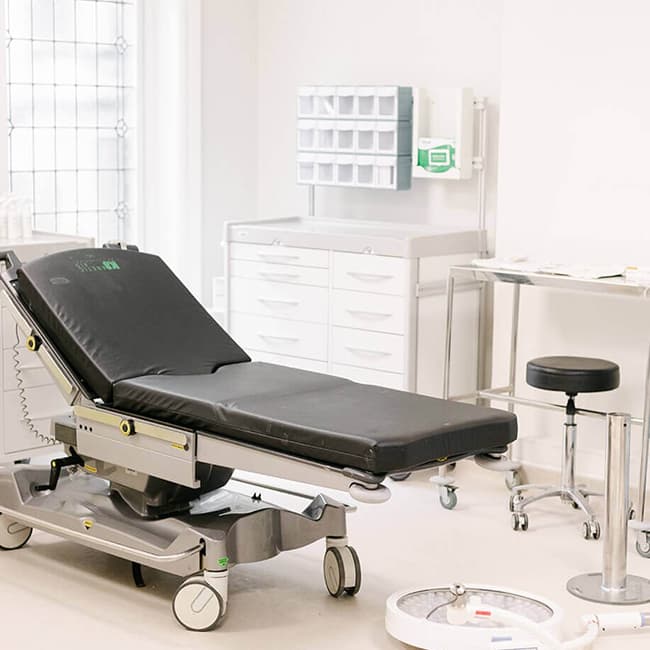
Molecular tests such as HIV RNA testing and HIV PCR/NAAT testing detect viral genetic material directly. Because they look for the virus itself rather than the body’s immune response, they may become positive earlier than conventional HIV screening tests.
For this reason, these tests are often used when patients present shortly after a potential exposure and wish to obtain information as early as possible. However, it is important to understand that early detection tests are generally part of a testing pathway rather than a complete replacement for subsequent laboratory HIV screening.

This molecular early detection screen tests directly for viral genetic material rather than waiting for the immune system to produce antibodies.
The screen includes:
This can be useful after a recent higher-risk exposure where earlier reassurance is desired, particularly before standard serology has reached its definitive window period. TDL describes this as a PCR/NAAT screen from 10 days post exposure, and positive findings are reflexed for confirmatory testing.
This test is not usually a replacement for later HIV DUO testing. Instead, it forms part of an early testing pathway where patients want meaningful information before the six-week confirmatory point.
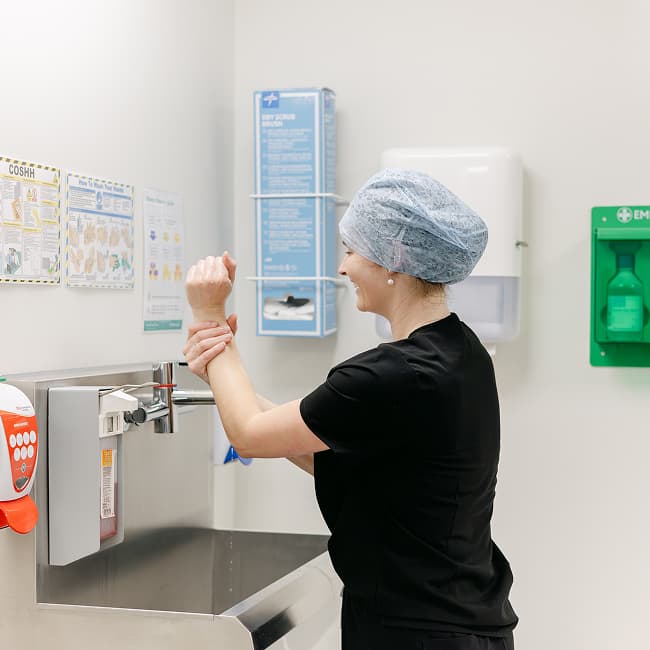
This is an HIV-1 RNA test designed for early detection. Unlike the HIV DUO test, which looks for antigen and antibody responses, HIV RNA testing looks directly for the virus itself.
TDL lists HIV Rapid RNA HIV-1 Qualitative as an early detection test, and also refers to Rapid Xpert HIV-1 RNA Qualitative testing as an early detection option from 10 days.
This test may be useful where the main clinical question is: “Is there evidence of HIV-1 RNA at this early stage?” It is particularly relevant for patients seeking the earliest available HIV-specific molecular test following a potential exposure.
The HIV 1 & 2 Abs/p24 Ag test (often referred to as a HIV DUO or fourth-generation HIV test) remains the cornerstone of modern HIV screening.
This test detects:
By combining these markers, fourth-generation testing can identify infection earlier than older antibody-only tests whilst also providing the robust performance required for routine screening. Current UK practice generally regards a negative laboratory fourth-generation HIV test at six weeks following exposure as conclusive in most circumstances. This is one of the reasons fourth-generation testing remains the preferred screening investigation for the majority of patients.

Testing too early is one of the most common causes of confusion and unnecessary anxiety. A negative result shortly after an exposure may simply indicate that insufficient time has passed for the test to detect infection.
For this reason, an early negative result must always be interpreted within the context of:
An experienced clinician can help determine whether a result is genuinely reassuring or whether repeat testing is required.
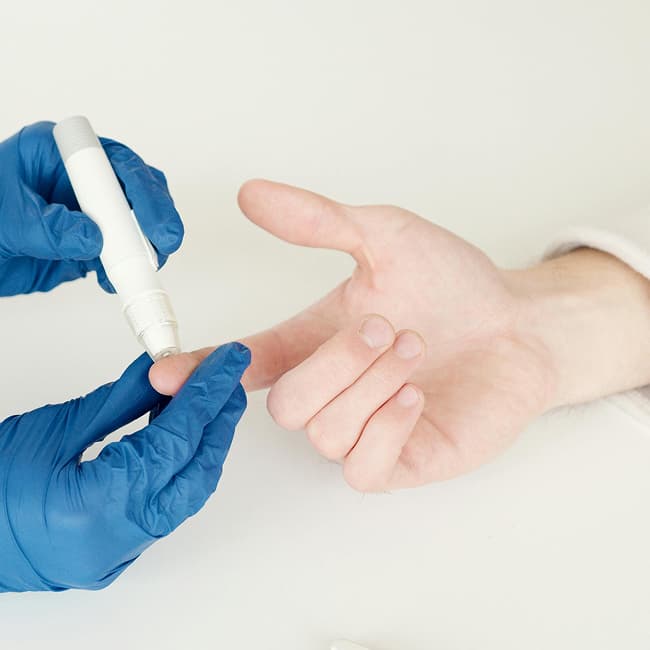
Patients frequently develop symptoms following a sexual exposure and understandably worry that these may indicate HIV infection. Symptoms such as:
are often associated with acute HIV infection on internet searches. Unfortunately, these symptoms are also extremely common in many everyday viral illnesses and are not specific to HIV.
Symptoms do not alter the window period and do not make HIV testing positive sooner. Laboratory testing remains the only reliable method of establishing HIV status.

Patients are often confused when different clinics appear to recommend different testing schedules. This usually reflects differences in:
The important point is that HIV testing should be interpreted as part of a coherent testing strategy rather than as isolated individual tests.
At The Wright Practice, we believe patients benefit from understanding not only which HIV test is being performed, but why it is being performed. Rather than applying a standard testing pathway to every patient, we tailor recommendations according to the timing of the exposure, the individual’s level of risk and the specific question that needs to be answered.
In many cases, understanding the window period provides greater reassurance than the test result itself.
The Rapid Xpert HIV-1 RNA test can detect infection from around 7 days after exposure, and the combined PCR/NAAT screen from 10 days. Both are considerably earlier than the standard 28-day HIV antibody/p24 antigen test.
Both options are rated at more than 99% accurate for detecting the conditions they’re designed for, at the time point they’re designed to be used.
The PCR/NAAT screen tests for HIV-1, HIV-2, hepatitis B and hepatitis C together, from 10 days. The Rapid Xpert test is HIV-1 specific only, but can detect infection slightly earlier, from 7 days.
Yes, we recommend early testing as part of a pathway rather than a replacement. Follow-up testing at the standard interval provides the fully conclusive result that early tests aren’t designed to give on their own.
The combined PCR/NAAT screen takes a maximum of 5 working days. We can advise on turnaround for the Rapid Xpert test during consultation.
Identifying a new HIV infection early opens up genuine treatment opportunities: starting antiretroviral medication sooner may help limit immune system impact during acute infection, and reduces the chance of unknowingly passing the infection to someone else.
Yes, the PCR/NAAT technique used for this testing is the same underlying technology used to screen the UK blood supply and donor organs for HIV and hepatitis before transfusion or transplant.
HIV testing following PEP follows a slightly different schedule because antiretroviral medication can affect early test interpretation; we can advise on the right approach if you’ve recently taken PEP.
We will guide you through next steps immediately, including confirmatory testing and referral for specialist HIV care, with full support and complete confidentiality throughout.
This depends on exactly how long ago your exposure occurred and whether you want hepatitis B and C covered alongside HIV. We’ll discuss your specific situation and recommend the most appropriate option during consultation.



Wow! Dr. Dan was extremely knowledgeable and attentive to my health and well being. I’m so glad to have found him!

I have been going to Dr Wright for a number of years now. He is highly knowledgeable, compassionate, open minded and efficient, I couldn’t recommend him highly enough
I have been a patient of Doctor Dan for some time and continue to consult with him despite having left the UK. Dan has the enthusiasm and energy of a young man, whilst taking the holistic “physician” approach of an old school family doctor, equipped with the most modern insights and technology.
Dr Jain was great. Expert knowledge with practical advice
Schedule a consultation | Call: +44 (0)207 139 1833 | Email: info@thewrightpractice.com
101 Harley Street, London, W1G 6AH
Rated ★ ★ ★ ★ ★ from 197 Reviews